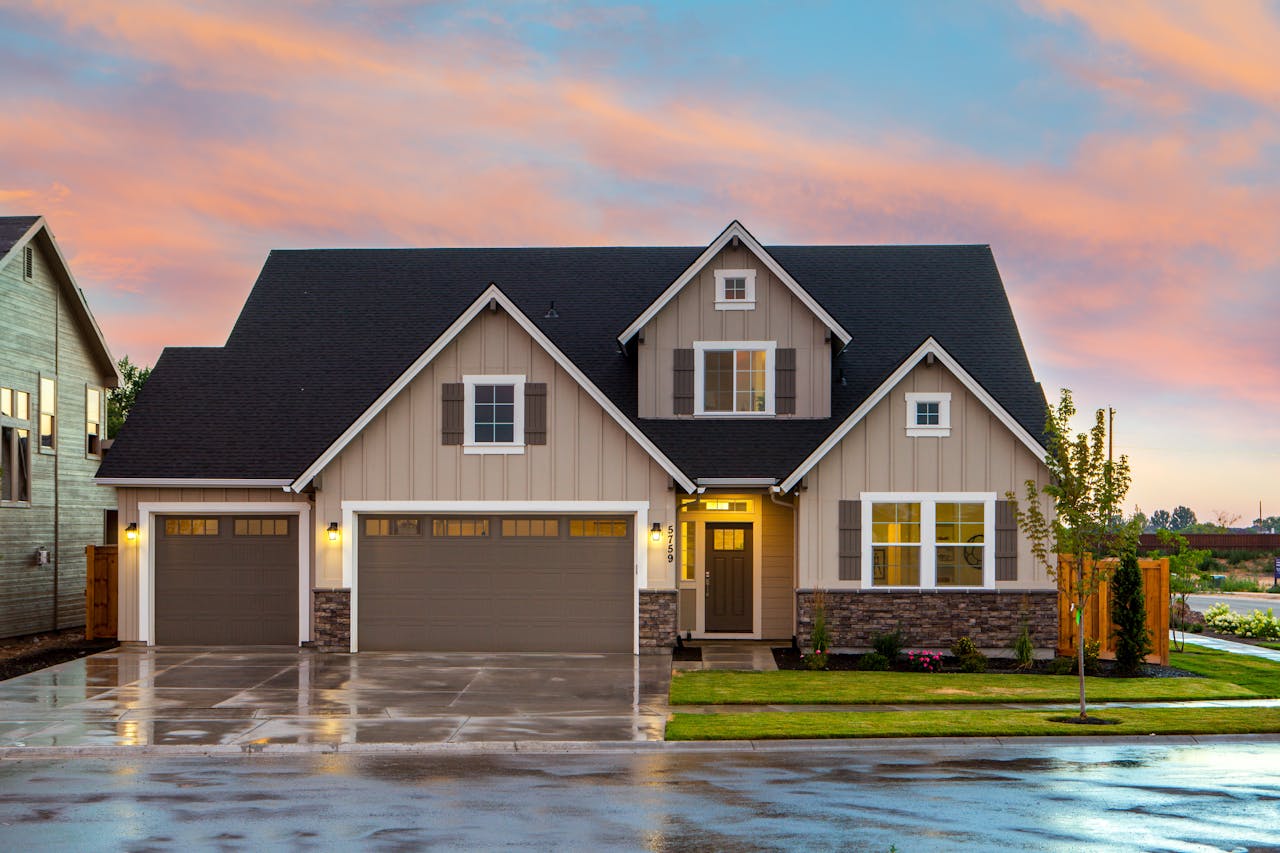

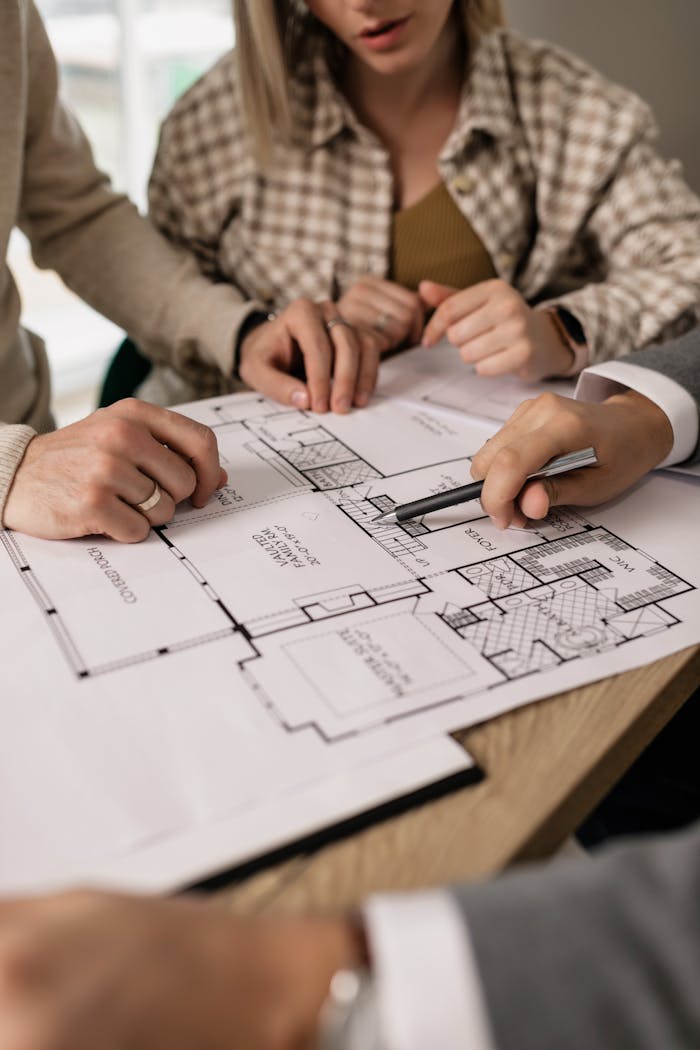
Working with a BCIN designer is the fastest way to turn a home idea into permit-ready residential home design plans—without paying architect-level fees for most residential projects. Whether you live in Kanata, Carleton Place, Stittsville, Richmond ON, Arnprior, Dunrobin, Nepean, Barrhaven, Kemptville, or Orléans, this step-by-step guide walks you through the process so you know what to expect, how to budget, and which decisions will have the biggest impact on your project.
Step 1 — Clarify your goals and budget
Before you contact anyone, get clear on:
- What you want: new build, addition, basement suite, or renovation.
- Must-haves vs nice-to-haves (e.g., second primary bedroom, open-concept kitchen).
- A realistic budget range for design + construction.
This helps a BCIN designer near me give an accurate proposal and prevents wasted revisions.
Step 2 — Gather your property information
Provide the designer with:
- Legal lot information (lot size, property PIN) and municipal zoning if available.
- Any survey or topographic information you have.
- Photos of the existing home or site.
A BCIN designer uses this data to create floor plan lookup by address style checks and to confirm setbacks, lot coverage, and other constraints for residential home design plans in your area.
Step 3 — Search and shortlist BCIN designers
When searching BCIN designer near me, look for:
- BCIN registration (verify in the BCIN directory).
- Local experience in communities like Kanata, Barrhaven, Nepean, Kemptville, or Carleton Place.
- Portfolio with home design plans with photos so you can see finished work and comparable projects.
- Client reviews or references (municipal experience matters—codes and permit officers vary across Ottawa-area towns).
Tip: If you see local names such as Dustin Design and Drafting in reviews, compare portfolios and pricing—some designers specialize in modern layouts while others excel at small residential home design or secondary suites.
Step 4 — Initial consultation & scope definition
Most BCIN designers offer a discovery call or meeting. Expect to discuss:
- Your vision and priorities.
- Site challenges (slopes, septic, heritage overlay).
- Deliverables: conceptual sketches, permit-ready residential home design PDFs, 3D visuals (if desired).
Ask: “What’s included in your BCIN designer near me prices?” Clarify number of revisions and permit coordination time.
Step 5 — Concept design and floor plan options
The designer will produce initial concepts—usually a few layout options. At this stage:
- Review room adjacencies, traffic flow, and space sizes.
- Request sample design your own house floor plans variations if you want to explore different bedroom counts or kitchen layouts.
- Use photos and inspirational boards (Pinterest, Houzz) to communicate style: modern residential home design, small space efficiency, etc.
Step 6 — Refine, finalize, and prepare permit drawings
Once you select a concept, the designer creates the full set of permit drawings:
- Scaled floor plans, elevations, sections, and notes compliant with the Ontario Building Code.
- Mechanical, structural, and electrical coordination notes where required.
- A residential home design PDF set you can submit to the municipality.
This is where BCIN expertise is critical: code-compliant drawings reduce the chance of municipal rejections or costly site changes.
Step 7 — Submit to the municipality & respond to comments
Your BCIN designer can either:
- Submit on your behalf, or
- Supply the PDF set for you/your builder to submit.
If the municipality issues review comments, your designer will typically handle revisions (confirm how many rounds are included in the fee). Local knowledge—e.g., familiarity with Arnprior or Dunrobin permit expectations—speeds this process.
Step 8 — Tendering, builder selection & construction support
After permit approval:
- Use the drawings to get quotes from builders or contractors.
- Have the BCIN designer clarify details during tender if bidders ask questions.
- Many designers offer limited construction-phase support (site visits or detail clarifications) for an additional fee—useful to ensure the design intent survives construction.
Step 9 — Final inspections & as-built adjustments
Once construction is complete, some municipalities require “as-built” drawings or final sign-offs. Your designer can:
- Provide minor drawing updates to reflect as-built conditions.
- Assist in resolving any final code or occupancy paperwork.
Budgeting & timeline expectations
- Typical timeline: Concept → Permit-ready drawings often takes 4–8 weeks depending on complexity (confirm with your designer).
- Cost: Search terms like “BCIN designer near me cost” show wide ranges; for many residential projects expect a design fee in the range appropriate for your project type (small addition vs full new home). Always request a written estimate that shows what’s included: concepts, permit drawings, number of revisions, and municipal coordination.
What to expect from a good BCIN designer
- Clear communication and a process timeline.
- Deliverables: permit-ready residential home design plans, a PDF package, and sometimes 3D visuals or photo-realistic examples.
- Local code knowledge (vital for towns like Kemptville, Barrhaven, or Stittsville).
- An ability to balance aesthetics (modern residential home design) and practicality (small residential home design that maximizes space).
Common FAQs
Do I need an architect or a BCIN designer?
For most standard residential projects—additions, renovations, custom single-family homes—BCIN designers are a cost-effective, code-competent choice. Choose an architect for highly complex, large-scale, or signature luxury projects.
How many revisions are normal?
Most designers include 1–3 revision rounds in the base price. Clarify extra revision costs ahead of time.
Will the designer handle permits?
Many BCIN designers include permit submission and municipal coordination. Confirm who will be the point of contact for the municipality.
Can I get floor plans with photos or a PDF to show lenders/builders?
Yes—request home design plans with photos and a residential home design PDF set as part of the deliverables.
Final tips
- Ask for local examples: a designer who has done projects in Carleton Place, Kanata, Arnprior, or Nepean will better navigate local permitting quirks.
- Keep a project folder with decisions, palettes, and photographs to speed revisions.
- Confirm timelines and payment milestones in writing before work begins.