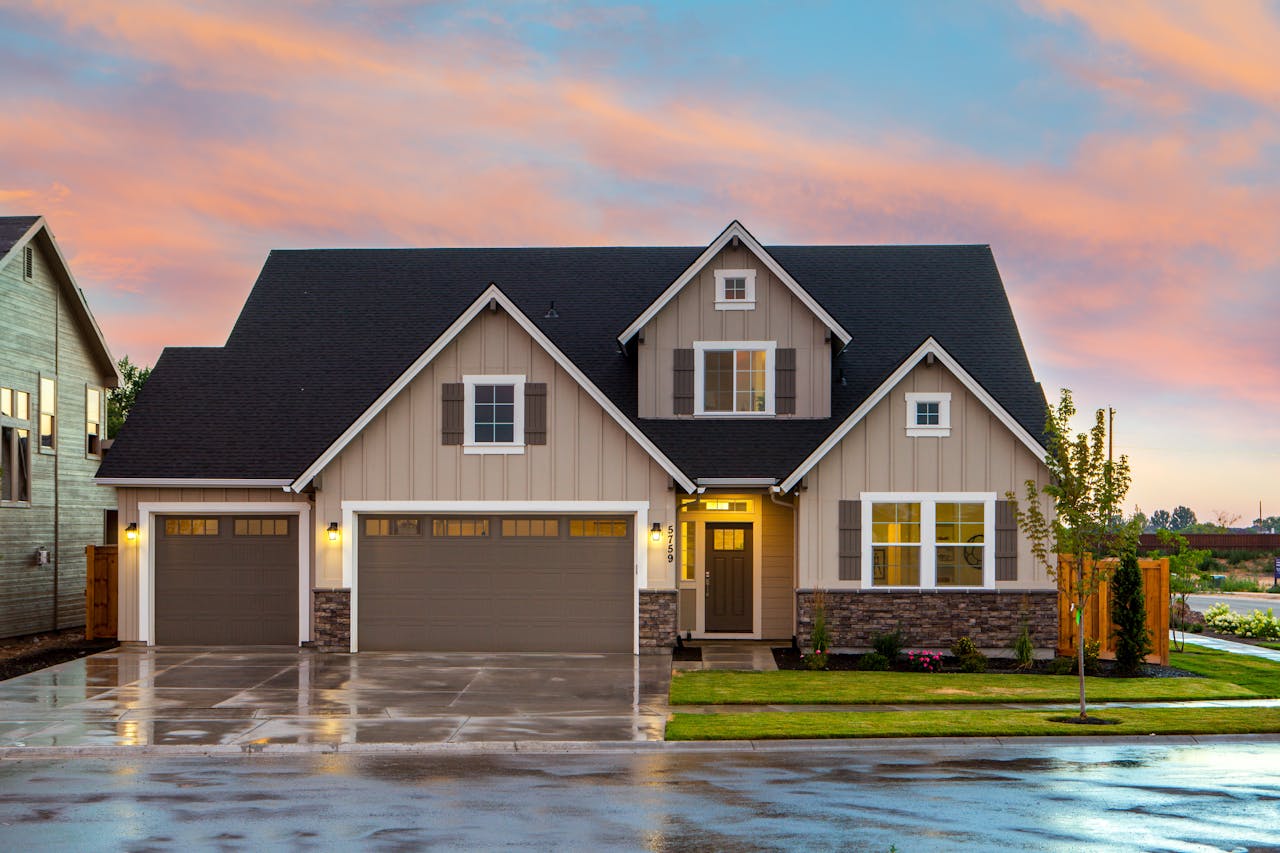

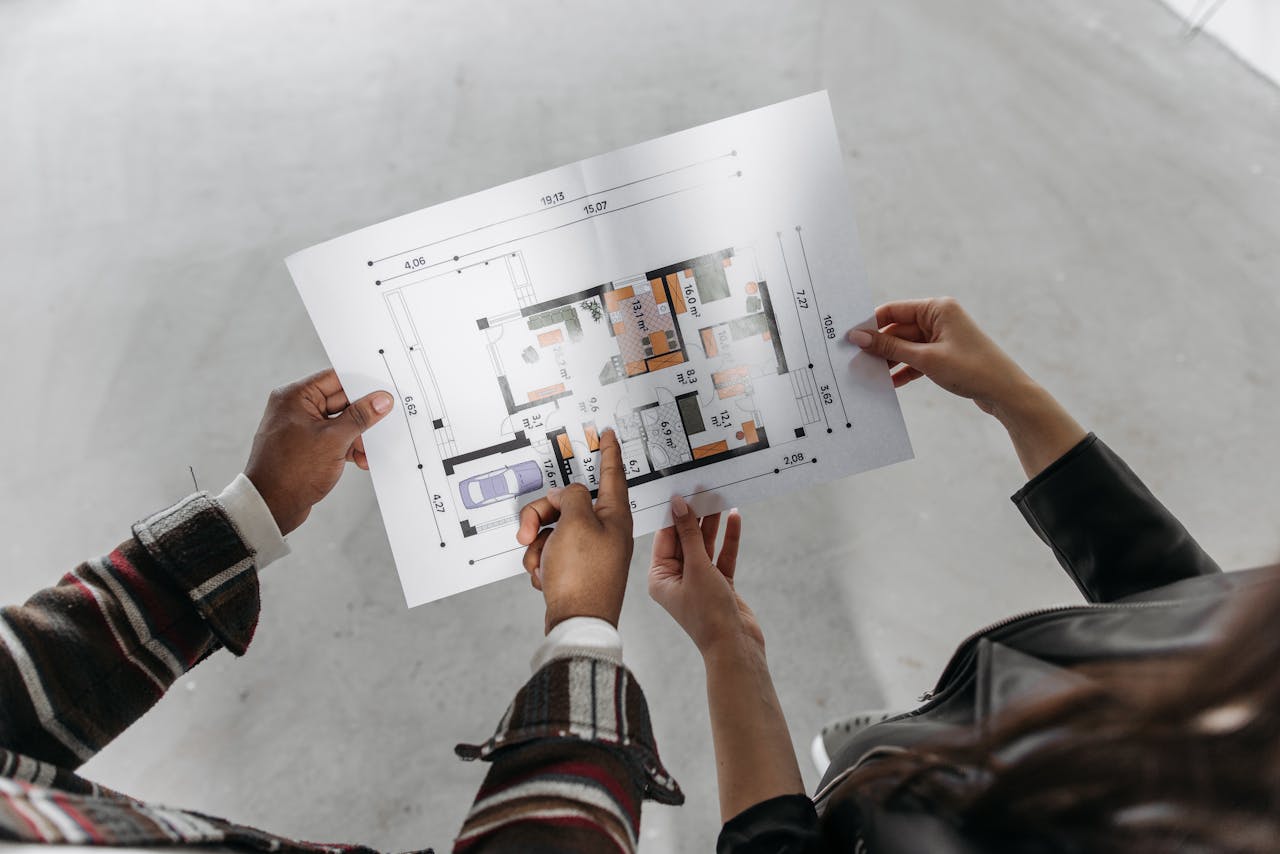
For many homeowners in Arnprior, expanding a home is not just about adding square footage—it is about doing so in a way that feels natural, respectful, and harmonious with the existing architectural character. Arnprior’s neighbourhoods feature a mix of historic charm, traditional forms, and newer suburban development, which means additions must be thoughtfully designed to blend seamlessly with what already exists. When an addition is planned correctly, it enhances the home rather than overpowering it, improving both everyday function and long-term value.
This guide explores how homeowners in Arnprior can plan a house addition that complements their property’s architectural style, ensuring the new space feels like it was always meant to be there.
Understanding the Architectural Character of Arnprior Homes
Arnprior’s residential areas are known for diverse home styles, often influenced by era, location, and neighbourhood evolution. Many streets include:
- Classic two-storey homes with pitched roofs
- Bungalows and split-level homes from mid-century development
- Farmhouse-inspired properties in rural surroundings
- Newer suburban designs with open-concept layouts
Regardless of style, what matters most is that any addition respects the home’s original proportions and visual language.
Architectural character is defined by several elements:
- Rooflines and pitch
- Exterior materials
- Window size and placement
- Symmetry or asymmetry
- Scale and massing
- Entry and façade features
Matching these elements creates visual continuity, ensuring the addition enhances rather than distracts from the original design.
Why Harmony Matters When Expanding a Home
A well-integrated addition delivers benefits beyond appearance.
1. Improved Curb Appeal
An addition that fits the home’s style appears intentional and polished, supporting pride of ownership.
2. Higher Long-Term Value
Buyers are more drawn to homes where expansions feel seamless rather than obvious or mismatched.
3. Better Neighbourhood Compatibility
Arnprior communities value character; respectful additions help maintain overall streetscape quality.
4. Enhanced Everyday Living
A cohesive design supports smooth interior flow and comfort, rather than feeling like a disconnected extension.
Homeowners who prioritize integration avoid the common pitfall of creating space that looks “tacked on” or visually heavy.
Step One: Evaluate the Existing Home Before Planning
Successful additions start with a detailed understanding of what already exists.
Key considerations include:
1. Structural Capacity
Older homes may require reinforcement before supporting added levels or extended spans.
2. Foundation Strength and Condition
Some additions may need new footings or foundation work to ensure stability.
3. Roof Structure
The type of roof influences whether a second-storey addition or dormer expansion is feasible.
4. Natural Light Patterns
Positioning the addition should not block existing sunlight in key living areas.
5. Sightlines and Interior Circulation
The new space must connect logically to current rooms without awkward transitions.
A thoughtful evaluation prevents costly changes later and ensures the design is realistic from both an architectural and functional standpoint.
Choosing the Right Type of Addition for Arnprior Properties
Not every home benefits from the same expansion strategy. The lot size, layout, and structural configuration help determine which approach works best.
1. Rear Additions
Ideal for homes with deeper lots, rear expansions allow homeowners to enlarge:
- Kitchens
- Family rooms
- Dining areas
- Mudrooms
They preserve the home’s street appearance while greatly improving interior function.
2. Second-Storey Additions
A strong option for bungalows or homes with limited yard space.
This approach can add:
- Extra bedrooms
- A new primary suite
- Additional bathrooms
- Flex spaces
The key is ensuring the new level aligns with the existing roof pitch and façade proportions.
3. Side Additions
Appropriate where lot width allows expansion without violating setback requirements.
Side additions may include:
- Expanded living areas
- Home offices
- Garage additions
- Sunrooms
Maintaining symmetry—or intentional balance—is essential.
4. Dormers and Partial-Second-Level Additions
A subtle way to gain space without altering the entire roof.
Dormers can add:
- Upper-level bedrooms
- Storage
- Natural light
They preserve the original scale while increasing functionality.
Design Principles That Ensure Seamless Integration
Matching architectural character requires more than copying a few exterior elements. It involves a coordinated approach from foundation to roof.
1. Respect the Original Roofline
The roof is often the most visible design feature.
To blend well:
- Match the roof pitch
- Continue existing ridgelines where possible
- Avoid oversized or competing roof structures
A consistent roof makes the addition appear original to the home.
2. Align Materials and Exterior Finishes
Even a beautifully designed addition will stand out if the materials differ noticeably.
Homeowners should consider:
- Matching existing brick or siding
- Continuing trim and fascia details
- Using complementary—not contrasting—colours
- Ensuring textures are consistent across surfaces
If original materials are discontinued, using close matches maintains continuity.
3. Maintain Window Style and Proportion
Windows significantly influence architectural character.
To achieve harmony:
- Match window shape and grille style
- Align sill heights and spacing
- Avoid oversized or irregular window placements
- Mirror existing symmetry where applicable
Consistent window design helps unify old and new spaces.
4. Preserve Scale and Massing
A well-designed addition should not overpower the original structure.
Key considerations:
- Keep height and width proportional
- Avoid creating bulky or top-heavy volumes
- Step back second-storey additions slightly for balance
Maintaining scale ensures the home retains its original identity.
5. Continue Architectural Details
Small details carry visual significance.
Examples include:
- Trim profiles
- Cornice or porch detailing
- Shingle patterns
- Decorative accents on gables or eaves
Repeating subtle elements reinforces cohesion.
Interior Planning That Supports Exterior Harmony
A seamless exterior should be matched by functional and thoughtful interior design.
1. Create Smooth Transitions
Additions should feel like natural extensions, not disconnected sections.
Strategies include:
- Maintaining consistent ceiling heights
- Extending flooring materials
- Aligning hallway widths and circulation paths
- Preserving or enhancing natural light flow
Interior alignment supports comfort and usability.
2. Protect Existing Room Function
An addition should not force awkward rearrangements.
For example:
- A new kitchen expansion should improve—not disrupt—traffic flow
- Bedrooms should maintain privacy even if new hallways are added
- Family spaces should feel inviting rather than isolated
Thoughtful interior planning improves everyday living.
3. Consider Future Flexibility
Family needs evolve over time.
A well-designed addition allows for:
- Changing room purposes
- Long-term aging-in-place
- Multi-generational living options
Flexibility ensures the space remains valuable for years ahead.
Planning Considerations Before Construction Begins
Homeowners can avoid delays and unexpected changes by preparing thoroughly.
1. Confirm Zoning and Setback Requirements
Different Arnprior neighbourhoods may have varying restrictions on:
- Lot coverage
- Height
- Side-yard and rear-yard limits
- Secondary dwelling allowances
Understanding these early prevents redesign later.
2. Evaluate Structural and Mechanical Impacts
Expanding a home often requires updates to:
- Heating and cooling systems
- Electrical service
- Plumbing layout
- Foundation supports
Upgrading these systems ensures safety and long-term performance.
3. Budget Planning and Phasing
Additions vary widely in cost based on complexity.
Homeowners benefit from:
- Prioritizing essential features
- Planning optional upgrades for later phases
- Setting contingency allowances
Clear expectations reduce stress and decision pressure.
4. Seasonal Timing
Weather impacts construction, particularly in Ontario’s climate.
Planning ahead ensures:
- Exterior work aligns with favourable seasons
- Interior finishing proceeds without interruption
- Temporary living arrangements are minimized
Scheduling wisely supports smoother progress.
Common Mistakes to Avoid When Planning an Addition
Even with good intentions, homeowners may overlook key considerations. Avoiding common errors leads to better outcomes.
1. Designing Without Respecting Scale
Oversized additions can overshadow the original home, reducing visual appeal.
2. Ignoring Roof and Window Alignment
Misaligned elements create a disjointed look that diminishes architectural character.
3. Choosing Trend-Based Materials
Design trends change quickly; timeless choices age better and blend with existing structures.
4. Prioritizing Space Over Function
More square footage does not guarantee better living—layout matters just as much.
5. Rushing the Planning Phase
Thorough design work prevents costly adjustments during construction.
The Lasting Value of a Thoughtfully Designed Addition
When an addition matches the architectural character of an Arnprior home, the result feels natural, cohesive, and enduring. Homeowners benefit through:
- Enhanced comfort and daily functionality
- Improved curb appeal and neighbourhood compatibility
- Increased long-term property value
- A home that evolves gracefully with changing needs
- Space that feels intentional rather than added out of necessity
A well-planned addition is not just an investment in square footage—it is an investment in the home’s identity, longevity, and the way families experience their space every day.