
For growing families in Kemptville and Arnprior, home isn’t just a structure: it’s where routines unfold, memories form, needs evolve, and futures take shape. As demographics shift and family sizes change, the traditional idea of a “standard house” no longer fits everyone. Kitchens become family hubs, living areas double as homework stations, and spare rooms may transform into offices or guest suites. The way families live today is vastly different from even a decade ago.
At the heart of this evolution is residential home design plans — thoughtful, strategic, and tailored drawings that turn ideas into functional homes. These plans are far more than aesthetic sketches; they are detailed blueprints, meticulously engineered to be safe, compliant, efficient, and suited to the real-world needs of families.
For families in communities like Kemptville and Arnprior — where space, lifestyle, outdoor living, and multi-purpose rooms are priorities — design plans that reflect how people actually live are essential. In this article, you’ll learn why professional residential home design plans matter more than ever for growing families, and how they lay the foundation for comfort, functionality, and long-term adaptability.
Residential Home Design Plans: The Blueprint of Everyday Life
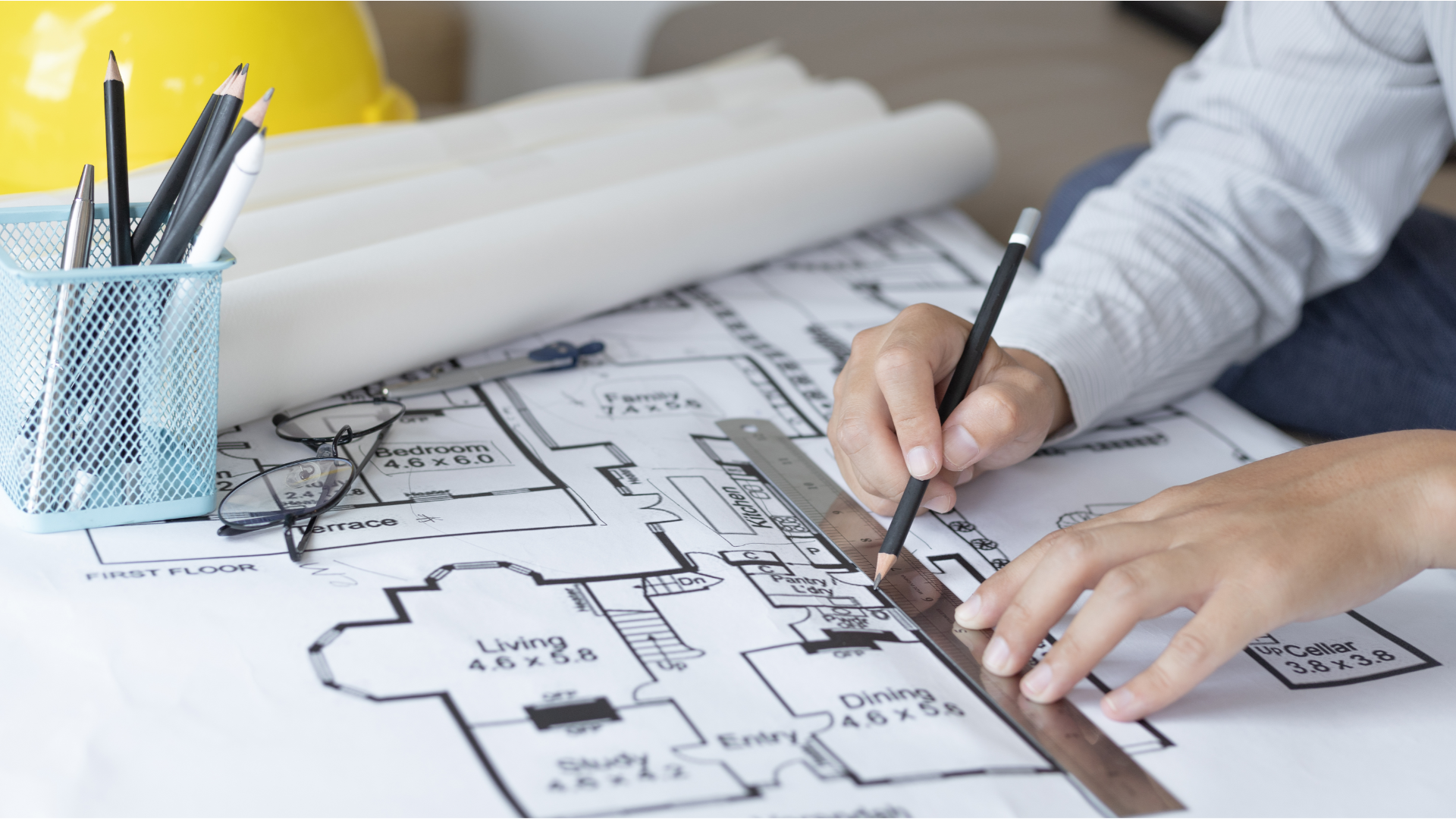
A residential home design plan is the first step in translating a family’s wishes into built reality. It’s not an artistic rendering or a rough sketch — it’s a comprehensive guide that informs builders, engineers, and municipal officials how a home will stand, function, and comply with codes.
Good residential home design plans include:
- Scaled floor layouts
- Site plans with setbacks and topography
- Elevations and structural details
- Foundation and roof plans
- Detailed room dimensions
- Mechanical and electrical notes
- Compliance annotations for Ontario Building Code
For growing families, the importance of design plans cannot be overstated. These plans dictate daily movement patterns, privacy levels, storage availability, natural lighting, safety, utility placement, and long-term flexibility.
Why Families in Kemptville and Arnprior Are Choosing Design-Forward Homes
Kemptville and Arnprior are flourishing communities with growing populations, expanding amenities, and evolving real-estate markets. Families are increasingly looking for homes that reflect modern living patterns — but making changes without careful planning often leads to costly mistakes.
Residential home design plans help families:
- Adapt to changing family sizes
- Incorporate dedicated work-from-home spaces
- Plan for multi-generational living
- Create child-friendly and accessible environments
- Maximize comfort without wasting space
- Integrate modern residential design ideas
- Plan efficient traffic flows throughout the home
Without a well-documented plan, families might try to retrofit existing spaces with guesswork, leading to compromised layouts and costly mid-project changes.
1. Supporting Multi-Gen Living and Future Growth
Modern families often span generations under one roof. Whether parents are aging in place or children return after school or university, homes must flex.
Design plans support:
- Separate living zones
- Basement or accessory suite designs
- Sound-buffered bedrooms
- Additional bathrooms
- Independent entrances where needed
- Flexible rooms for multiple functions
Designing with future growth in mind prevents expensive renovations later. Families in Kemptville and Arnprior benefit from plans that anticipate life transitions rather than reacting to them.
2. Enhancing Daily Functionality Through Thoughtful Layouts
Every family has routines — breakfast rushes, homework hours, dinners, laundry, guests, quiet times, play areas, and work zones. Residential home design plans ensure these routines are supported.
A few examples:
- Open kitchen-living layouts for shared family time
- Dedicated homework nooks adjacent to main areas
- Laundry rooms near bedrooms to save steps
- Closet placement optimized for traffic flow
- Natural light corridors running through living spaces
These features are not accidental — they come from deliberate planning that understands how families occupy and use space.
3. Efficient Use of Space for More Activity Zones
Space is not just about square footage — it’s about smart distribution. A family living room should feel roomy; a bedroom needs enough circulation space; storage should be intuitive.
Residential home design plans help:
- Minimize wasted hallways
- Cluster related functions
- Distribute traffic flow evenly
- Place windows to enhance openness
- Convert small zones into purposeful niches
In communities like Arnprior and Kemptville, where lots may vary from tight in-town parcels to wider rural properties, plans are tailored to suit both the lot and the lifestyle.
4. Safety, Compliance, and Family-Friendly Standards
Kemptville and Arnprior are governed by municipal regulations informed by the Ontario Building Code. Family homes must comply with:
- Structural integrity for long-term safety
- Fire safety standards
- Egress requirements for bedrooms
- Stair design and handrail safety
- Window sizes for escape routes
- Separation standards for secondary suites
Good residential home design plans, prepared professionally, ensure that every room meets code. This matters not just for permits, but for peace of mind — especially when children live or play in the home.
5. Natural Light and Visual Comfort Enhance Well-Being
Natural light affects mood, energy, and perception of space. Modern residential home design prioritizes light flow through:
- Strategic window placement
- Clerestory windows
- Open staircases
- Rear patios and sliding doors
- Skylights where appropriate
Design plans optimize lighting so that everyday living feels open and uplifting — particularly important for families who spend extended time indoors during Ottawa’s long winters.
6. Storage Solutions That Prevent Clutter
Clutter is a major headache for families. Whether it’s seasonal gear, sports equipment, toys, or extra linens, storage matters.
Design-led plans integrate:
- Built-in closets
- Mudrooms with cubbies
- Under-stair storage
- Pantries with functional shelving
- Dedicated garage storage zones
- Basement zones for seldom-used items
Instead of adding bulky furniture after the fact, well-designed storage prevents visual chaos and makes daily life smoother.
7. Supporting Work-From-Home and Flexible Lifestyle Needs
Remote work and study zones are now standard considerations. Kids need quiet homework spaces. Adults may need office zones with views, lighting, and privacy.
Residential home design plans accommodate:
- Corner offices with natural light
- Sound-buffered zones away from main traffic
- Built-in desks and storage
- Hybrid guest/office rooms
- Tech hubs with cable and power planning
Future-ready design doesn’t just plan spaces — it supports real life.
8. Outdoor Integration for Family Activities
Backyards and patios in Kemptville and Arnprior aren’t merely lawns — they are play areas, entertainment zones, quiet retreats, and extensions of living space.
Residential home design plans focus on:
- Easy indoor–outdoor transitions
- Views from main living areas
- Covered patio zones
- Deck plans integrated with landscaping
- Children’s play areas with sightlines from kitchens
- Outdoor kitchens or gathering spots
These outdoor design ideas are intentional and often built into plans long before construction begins.
9. Modern Residential Design for Comfort and Value
Modern residential home design is characterized by:
- Simplicity of form
- Efficient use of space
- Natural light emphasis
- Minimal visual clutter
- Flexible multi-purpose rooms
- Materials that balance durability and beauty
Design plans bring these elements together so that homes feel contemporary, welcoming, and usable for families in everyday life — not just on special occasions.
10. Accurate Permit-Ready Plans That Avoid Delays
One of the biggest risks families face is starting construction without permit-ready plans, only to hit delays or redesigns.
Residential home design plans matter because they ensure:
- Compliance with municipal approvals
- Reduced permit back-and-forth cycles
- Clear documentation for trades
- Fewer mid-project changes
- Accurate cost estimating for builders
Ottawa-area regions like Kanata, Orleans, Barrhaven, Stittsville, and rural zones such as Dunrobin and Richmond ON all have detailed requirements that must be addressed before construction begins.
Why DIY or Off-The-Shelf Plans Fall Short for Families
Some homeowners start with “design your own house floor plans” or generic templates. While these can help spark ideas, they rarely provide:
- Structural accuracy
- Code compliance
- Zoning integration
- Site-specific details
- Long-term lifestyle planning
- Comprehensive mechanical, electrical, and plumbing layout
- Permit-ready documentation
In contrast, professionally developed plans bring all these aspects together.
Family-Centered Design Philosophy in Residential Plans
Design isn’t just about walls and square footage — it is about human experience:
- Learnability: how easy is it to get around?
- Visibility: can parents see kids from common areas?
- Adaptability: will the plan work as needs change?
- Comfort: do rooms feel warm and welcoming?
- Safety: are risk factors minimized?
- Efficiency: are systems and spaces optimized?
Residential home design plans crafted with these priorities lead to homes that support life, not just accommodate it.
The Role of BCIN Designers in Supporting Growing Families
BCIN certification ensures a designer understands the Ontario Building Code and how to prepare residential home design plans that meet both provincial and municipal requirements.
A BCIN designer:
- Ensures structural safety
- Aligns plans with local bylaws
- Anticipates permit reviewer concerns
- Optimizes layouts for family needs
- Provides residential home design ideas grounded in reality
- Produces clear, permit-ready residential home design PDFs
When homeowners type “BCIN designer near me,” they aren’t just looking for drawings — they are seeking peace of mind, clarity, and expert stewardship of their biggest investment.
Real-World Scenarios Families Face in Kemptville and Arnprior
Let’s explore a few practical scenarios where home design plans make a real difference.
Scenario 1: Growing Family with Children
Needs include:
- Bigger living spaces
- More storage
- Functional play zones
- Safe stairs and railings
- Multiple bathrooms
Design plans address all these before any construction begins.
Scenario 2: Multi-Generational Living
Considerations include:
- Separate sleeping zones
- Privacy between units
- Independent access
- Fire separation and code compliance
- Sound buffering
A thoughtful plan ensures comfort for all generations.
Scenario 3: Work-From-Home Parents
Needs include:
- Dedicated office space
- Natural light
- Quiet areas
- Built-in tech planning
- Storage for office materials
Residential home design plans integrate these features early, saving costly post-construction changes.
Long-Term Value of Thoughtful Home Planning
Homes designed with family needs in mind tend to:
- Maintain higher resale value
- Avoid costly mid-project redesigns
- Serve owners comfortably for decades
- Offer adaptability for future needs
- Attract buyers if sold later
In communities like Kemptville and Arnprior, well-designed homes with thoughtful plans stand out in the real estate market.
Conclusion: Design Plans Are About More Than Construction — They Are About Life
For growing families in Kemptville and Arnprior, residential home design plans are more relevant than ever. These plans are not just construction documents; they are strategic frameworks that:
- Support family routines
- Enhance daily comfort
- Improve safety and code compliance
- Enable modern usage (work, school, play)
- Maximize sunlight and spatial efficiency
- Anticipate future needs
- Reduce permit hurdles
When done right, residential home design plans result in homes that are functional, beautiful, resilient, and tailored to the way real families live.
Design your home with intention — not by chance. Thoughtful planning today leads to happier living tomorrow.