
Basements are often one of the most underused areas in a home. In many houses across Nepean and Orleans, basement spaces begin as unfinished storage areas, mechanical rooms, or simple utility spaces. Yet these lower levels hold enormous potential. With the right design approach, a basement can be transformed into a bright, functional, and comfortable part of the home.
Today, homeowners are increasingly viewing basement renovations as an opportunity to expand living space without changing the footprint of their property. Whether the goal is to create a family entertainment area, a home office, a guest suite, or a rental unit, thoughtful basement design can unlock valuable square footage.
Smart basement renovations combine efficient layouts, natural light strategies, and practical planning to turn dark, unused areas into spaces that feel welcoming and purposeful.
Why Basement Renovations Are Growing in Popularity
Homeowners in Nepean and Orleans are choosing basement renovations for several practical reasons. Instead of moving to larger homes, families are finding ways to maximize the potential of their current properties.
Some of the most common motivations include:
• Expanding usable living space
• Creating private areas for growing families
• Adding entertainment or recreation rooms
• Building rental suites for additional income
• Designing home offices or creative studios
Because the structure of the home is already in place, basement renovations can often provide significant additional living space without requiring major structural expansion.
For many households, this makes basement design one of the most cost-effective renovation options.
Understanding the Potential of Basement Space
The key to a successful basement renovation is understanding how the space can serve the household’s lifestyle. Every home and family is different, which means each basement design should reflect the specific needs of its occupants.
Some basements become entertainment hubs for movie nights and gatherings. Others transform into quiet workspaces or guest accommodations. In some cases, homeowners convert basements into independent living units or secondary suites.
The most successful basement designs begin with clear planning and a vision for how the space will be used every day.
Creating a Comfortable Family Entertainment Area
One of the most popular basement renovation ideas is a family entertainment space. Basements are naturally separated from the rest of the home, making them ideal locations for recreational activities.
A well-designed entertainment basement may include:
• A comfortable lounge or media room
• A home theater setup
• Gaming or recreation areas
• Built-in storage for electronics and equipment
• Flexible seating arrangements for guests
When designed with proper lighting and layout planning, these spaces become ideal places for relaxation and social gatherings.
Families in Nepean and Orleans often use basement entertainment areas as gathering spaces where children, teenagers, and adults can all spend time together.
Designing Basement Home Offices
With remote work becoming more common, many homeowners are transforming basements into dedicated home offices. A basement office provides separation from the busy areas of the home, allowing for a quiet and productive work environment.
Key elements of an effective basement office design include:
• Good lighting that mimics natural daylight
• Comfortable workspace proportions
• Built-in storage and shelving
• Sound separation from upper floors
Basements often provide enough space to design offices that feel private and professional while remaining part of the home environment.
This makes them ideal for remote workers, freelancers, and entrepreneurs.
Guest Suites and Private Living Areas
Another popular basement renovation option is creating a guest suite or additional living quarters. When designed properly, basement suites can provide comfortable accommodations for visiting friends or extended family members.
Guest suite designs typically include:
• A bedroom or sleeping area
• A private bathroom
• Comfortable seating or lounge space
• Storage for personal belongings
These suites allow homeowners to host guests while still maintaining privacy for both the household and visitors.
In some cases, basement suites are also used for older family members who want independent living arrangements within the home.
Rental Suites and Secondary Units
In growing neighborhoods like Nepean and Orleans, many homeowners are transforming basements into rental suites. These units can provide additional income while increasing the overall value of the property.
A rental basement suite generally includes:
• A separate entrance when possible
• A compact kitchen or kitchenette
• Living and sleeping areas
• A full bathroom
• Adequate ventilation and lighting
Designing rental suites requires careful planning to ensure the space meets building requirements and functions as a comfortable home for tenants.
When designed correctly, basement suites can feel just as welcoming and livable as above-ground apartments.
Maximizing Natural Light in Basement Design
One of the biggest challenges in basement renovations is lighting. Because basements are partially or fully below ground, they often receive limited natural light.
However, several design strategies can help brighten these spaces:
• Enlarging basement windows where possible
• Using light-colored walls and finishes
• Installing layered lighting systems
• Incorporating glass doors or partitions
• Designing open layouts that allow light to travel
These techniques help transform basements from dark utility areas into bright and inviting living spaces.
In many renovation projects, improving lighting is the single most important factor in making a basement feel comfortable.
Open Layouts for Spacious Basement Living
Even when basements offer limited square footage, thoughtful layouts can make them feel significantly larger. Open design strategies help reduce visual barriers and improve circulation throughout the space.
Open basement layouts may include:
• Combined lounge and entertainment areas
• Kitchenettes connected to seating spaces
• Flexible zones that serve multiple purposes
By reducing unnecessary walls and partitions, the basement feels more connected and spacious.
This approach is especially helpful in smaller basements where efficient design can make a dramatic difference.
Smart Storage Solutions
Basements often serve multiple functions, which means storage becomes an important part of the design process.
Effective storage solutions might include:
• Built-in shelving units
• Hidden storage under stairs
• Wall-mounted cabinets
• Multi-functional furniture with storage compartments
These solutions allow homeowners to keep their basements organized while maintaining a clean and open appearance.
Thoughtful storage planning ensures that the basement remains practical for everyday use.
Creating a Comfortable Atmosphere
Comfort is essential in any living space, and basement renovations are no exception. Designers often focus on creating warm, inviting environments that feel consistent with the rest of the home.
This can involve:
• Soft lighting that creates a relaxing atmosphere
• Neutral color palettes that reflect natural light
• Textured materials such as wood or fabric finishes
• Comfortable flooring options like engineered wood or carpet
These elements help basement spaces feel less like secondary areas and more like fully integrated parts of the home.
Planning Basement Renovations the Right Way
Before beginning a basement renovation, careful planning is essential. Homeowners should consider how the space will be used both now and in the future.
Important planning considerations include:
• The intended purpose of the space
• Layout efficiency and circulation
• Lighting improvements
• Ventilation and moisture control
• Building code and permit requirements
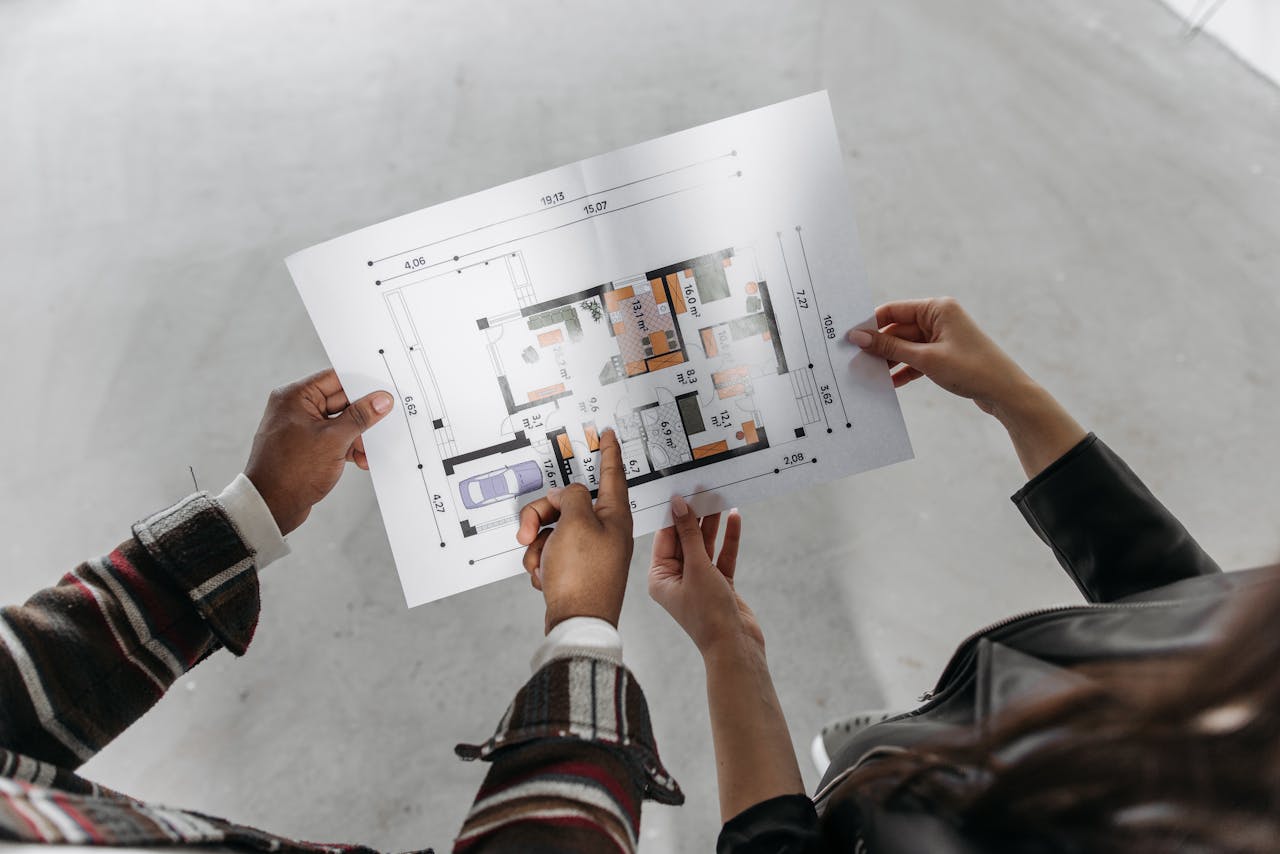
Proper design documentation and planning help ensure that construction proceeds smoothly and that the finished space functions as intended.
Increasing Property Value Through Basement Renovations
Beyond improving daily living, basement renovations can also increase property value. Homes with finished basements often attract stronger interest from buyers because they offer more usable square footage.
Potential value benefits include:
• Additional functional living areas
• Flexible rooms for offices or guest accommodations
• Income-generating rental suites
• Enhanced comfort and modern design
In neighborhoods like Nepean and Orleans, where housing demand continues to grow, a well-designed basement can significantly improve a home’s market appeal.
Transforming Hidden Space Into Something Beautiful
Basements have the potential to become some of the most versatile and valuable spaces in a home. With thoughtful design and smart planning, these lower levels can evolve from unused storage areas into comfortable living environments.
Whether used for family entertainment, remote work, guest accommodations, or rental income, basement renovations offer homeowners a powerful way to expand their homes without moving.
In communities throughout Nepean and Orleans, homeowners are discovering that with the right design approach, their basements can truly go from basement to beautiful.