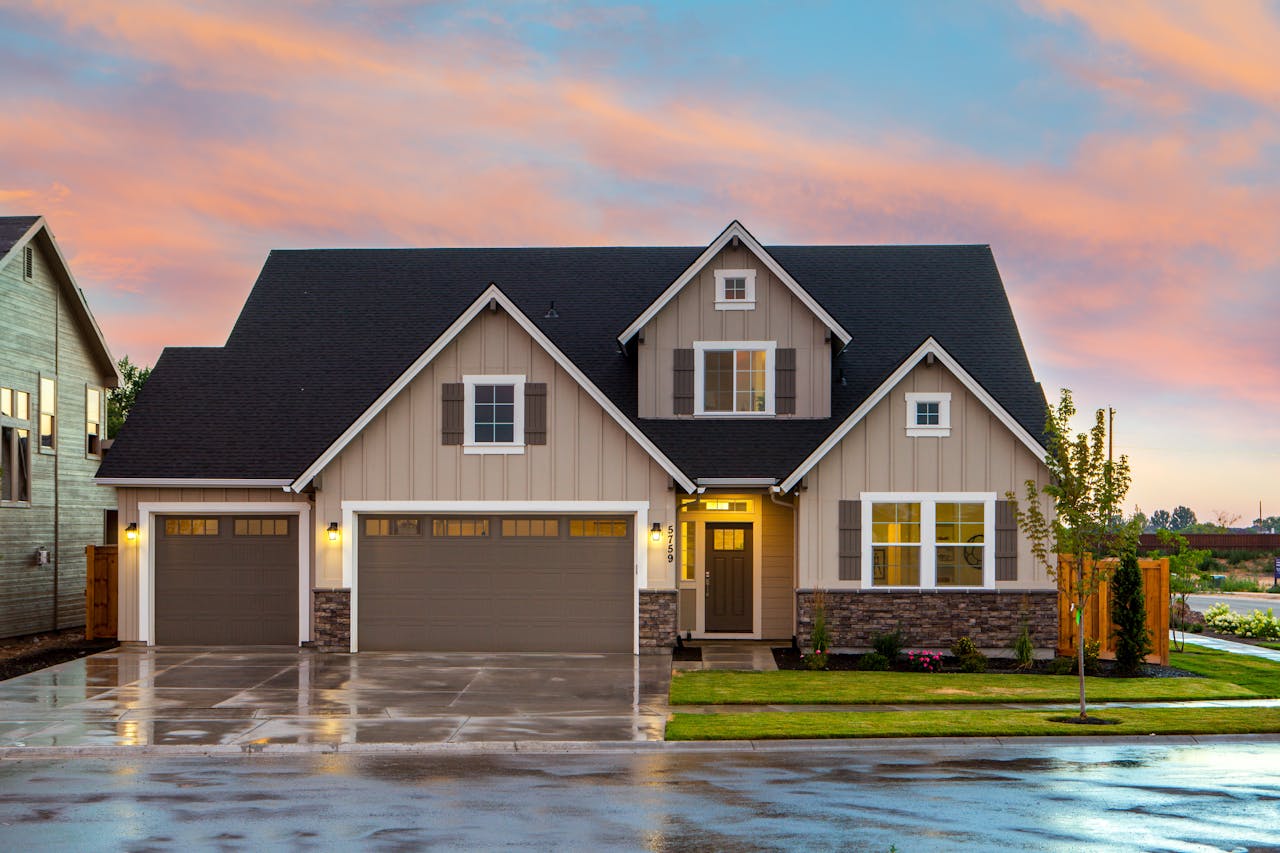

Residential design is evolving rapidly, especially in growing communities like Kanata and Stittsville. As families expand, work patterns shift, and lifestyles change, homeowners are realizing that thoughtful residential design plays a major role in how comfortable and functional a home truly feels. Smart residential design is not simply about appearance or style. It is about planning homes in a way that supports everyday living, future flexibility, and long-term value.
Across Kanata and Stittsville, homeowners are increasingly choosing to invest in well-planned residential design services before starting renovations, additions, or new home construction. Proper planning allows homeowners to transform their spaces in ways that improve how their homes function while also increasing overall property value.
This growing demand for smarter design solutions is reshaping how homes are renovated and expanded in these communities.
Why Residential Design Matters More Than Ever
Many homeowners once approached renovations by focusing only on individual upgrades such as a new kitchen, basement finishing, or an additional bedroom. Today, the focus has shifted toward designing homes as complete systems where layout, lighting, flow, and structure work together.
A well-planned residential design approach looks at the entire home and answers several important questions:
• How does each space connect to the rest of the home?
• Is the layout efficient for daily living?
• Are there opportunities to improve natural light and openness?
• Can the home adapt to future needs?
When these elements are carefully considered during the design stage, the result is a home that feels cohesive, comfortable, and intentionally planned rather than pieced together.
Homeowners in Kanata and Stittsville are embracing this approach because it allows them to maximize their homes without unnecessary complexity or wasted space.
The Shift Toward Functional Home Layouts
One of the biggest ways residential design is transforming homes is through smarter layouts. Older homes often contain segmented rooms that no longer match how families live today.
Modern residential design focuses on creating layouts that feel open while still maintaining defined zones for different activities.
For example, a smart layout might include:
• A kitchen that connects naturally with the dining and living areas
• Flexible spaces that can function as offices, guest rooms, or playrooms
• Better circulation paths throughout the home
• Improved transitions between indoor and outdoor spaces
These layout adjustments can dramatically improve how a home feels without necessarily increasing its size.
In neighborhoods across Kanata and Stittsville, homeowners are discovering that improving flow and functionality can make their homes feel significantly larger and more comfortable.
Multi-Purpose Spaces Are Becoming Essential
Modern families require homes that can adapt to different activities throughout the day. Work-from-home arrangements, remote learning, and flexible family schedules have made multi-purpose spaces extremely valuable.
Residential design now prioritizes versatility by incorporating spaces that can serve multiple functions.
Some common examples include:
Home Offices
Dedicated workspaces are becoming a standard feature in residential design. Proper placement, lighting, and sound separation help create productive environments within the home.
Flexible Guest Rooms
Rooms that can serve as guest accommodations while also functioning as offices or hobby rooms are becoming more common.
Basement Living Areas
Finished basements are often transformed into additional family spaces, entertainment rooms, or secondary living areas.
Secondary Suites
Accessory dwelling units and rental suites are becoming increasingly popular for homeowners looking to create additional living options or rental income.
In Kanata and Stittsville, where families often plan for long-term living, these flexible spaces allow homes to evolve with changing needs.
Bringing Natural Light Into Residential Design
Natural light is one of the most powerful elements in residential design. Homes that maximize natural light feel larger, more welcoming, and more connected to the outdoors.
Smart residential design incorporates natural light through several strategies:
• Enlarged windows and glass doors
• Open floor layouts that allow light to travel through the home
• Strategic room placement based on sun orientation
• Skylights or additional openings in darker areas
In many Kanata and Stittsville homes, thoughtful design improvements are allowing homeowners to transform previously dark areas into bright, inviting spaces.
Natural light not only improves aesthetics but also contributes to better mood, energy efficiency, and overall comfort.
Designing Homes That Grow With Families
Another major trend transforming residential design is planning homes that can adapt as families grow.
Young families often begin with different needs than they will have ten or twenty years later. Smart design ensures that a home can accommodate these changes without requiring major structural alterations.
Examples of future-ready design include:
• Designing spaces that can convert into bedrooms if needed
• Creating basement suites for extended family members
• Planning additions that integrate seamlessly with the existing home
• Designing layouts that allow aging-in-place features in the future
By considering long-term flexibility during the design process, homeowners in Kanata and Stittsville are creating homes that remain functional and comfortable for decades.
Residential Design and Property Value
Thoughtful residential design also plays a significant role in maintaining and increasing property value.
Buyers today are increasingly drawn to homes that feel well planned, open, and functional. Homes that have undergone professional design improvements often stand out in the market because the layout, lighting, and flow feel intentional.
Key design improvements that often increase property value include:
• Well-planned home additions
• Basement suites or rental units
• Modernized interior layouts
• Improved kitchen and living area connections
• Enhanced outdoor living spaces
Because Kanata and Stittsville continue to grow rapidly, homeowners who invest in smart residential design are positioning their homes to remain attractive and competitive in the future housing market.
The Rise of Outdoor Living Design
Outdoor spaces are becoming an extension of the home itself. Modern residential design now includes patios, covered outdoor areas, and backyard living spaces that allow families to enjoy the outdoors comfortably.
In many homes across Kanata and Stittsville, outdoor living areas are designed to include:
• Covered patios or pergolas
• Outdoor kitchens or dining areas
• Lounge and entertainment spaces
• Landscaped environments that integrate with the home design
When designed properly, outdoor spaces create additional living areas without expanding the interior footprint of the home.
This trend has become especially popular for homeowners who want to maximize their property while enhancing lifestyle quality.
Renovations That Feel Like New Homes
One of the most exciting aspects of modern residential design is the ability to transform older homes into spaces that feel completely new.
Through thoughtful design planning, renovations can completely reshape how a home functions without requiring a full rebuild.
Examples of transformative design upgrades include:
• Removing unnecessary walls to improve openness
• Redesigning kitchen layouts for better usability
• Adding large windows or sliding doors for natural light
• Reconfiguring entryways and circulation paths
• Expanding living areas through additions
These improvements allow homeowners to remain in the communities they love while enjoying a home that feels modern, comfortable, and aligned with their lifestyle.
The Importance of Permit-Ready Design Plans
A critical step in residential design is ensuring that plans are prepared correctly for building permits and construction.
Permit-ready drawings help homeowners avoid delays, revisions, and confusion during the approval process. They also allow builders to understand exactly how the project should be constructed.
Well-prepared residential design plans typically include:
• Accurate floor plans
• Structural details
• Site planning considerations
• Elevations and building sections
• Code compliance requirements
For homeowners in Kanata and Stittsville, having clear construction documentation ensures that projects move forward smoothly and efficiently.
Residential Design Is About More Than Style
While aesthetics remain important, residential design today is primarily about creating homes that function well and support real life.
Beautiful homes that lack thoughtful planning often feel frustrating to live in. Smart residential design ensures that form and function work together so that homes look great while also performing well.
A well-designed home feels natural to live in. Rooms connect logically, circulation paths are intuitive, and every space has a purpose.
This is why homeowners in Kanata and Stittsville are placing greater emphasis on professional design planning before starting renovation or construction projects.
Looking Ahead: The Future of Residential Design in Kanata and Stittsville
As these communities continue to grow, residential design will play an increasingly important role in shaping how homes evolve.
Future design trends are likely to include:
• Increased demand for secondary suites and multi-generational housing
• Greater emphasis on flexible living spaces
• Stronger indoor-outdoor connections
• Energy-efficient design strategies
• Homes designed with long-term adaptability in mind
Homeowners who invest in thoughtful design today are creating spaces that will continue to perform well and retain value in the years ahead.
Creating Homes That Truly Work for Everyday Living
Smart residential design is transforming homes in Kanata and Stittsville by focusing on what truly matters: functionality, comfort, adaptability, and thoughtful planning.
Instead of simply updating finishes or expanding square footage, homeowners are embracing a more holistic design approach that considers how homes function as complete environments.
Through improved layouts, flexible living spaces, better natural light, and long-term planning, residential design is helping homeowners create spaces that support both current needs and future possibilities.
The result is a home that feels intentional, balanced, and built for the way people actually live today.