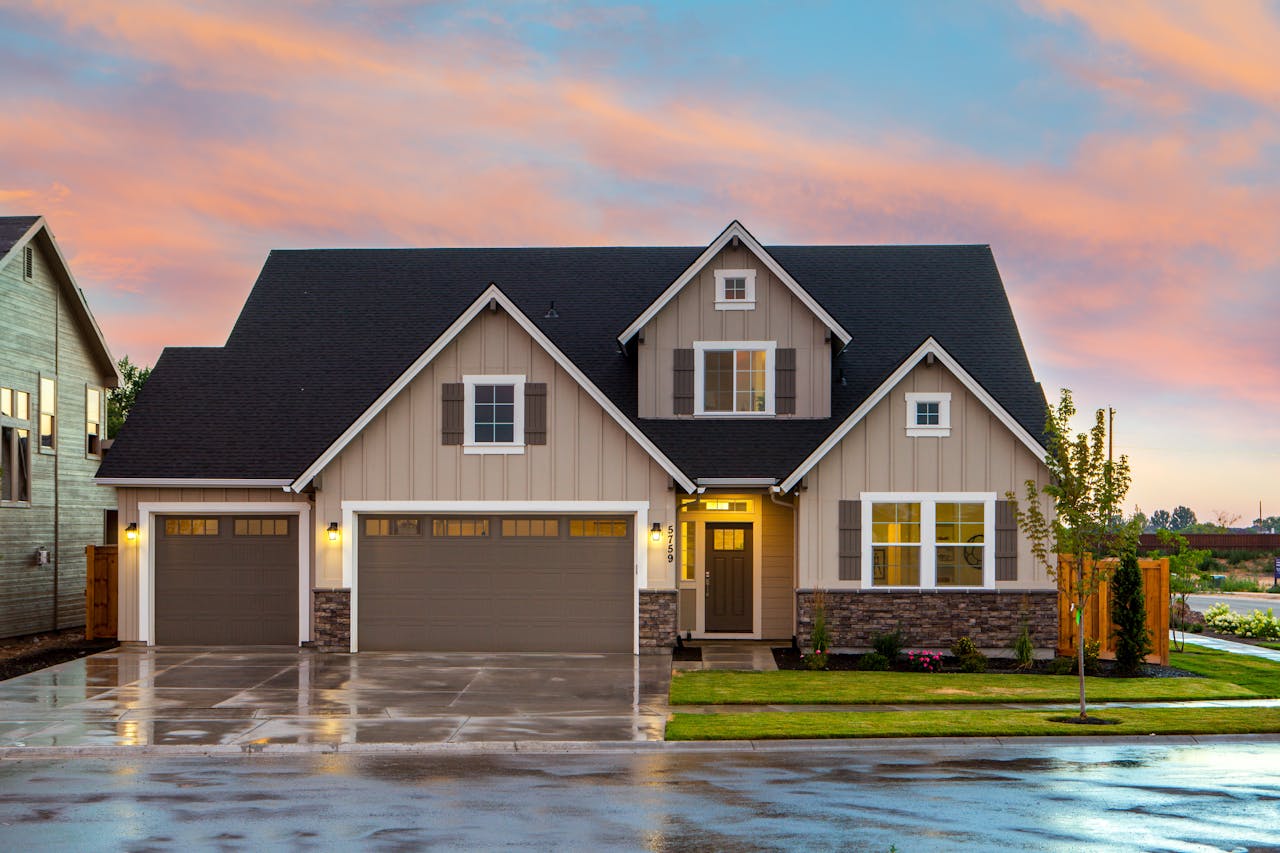


Designing your own house floor plans can be incredibly rewarding. It gives homeowners the chance to imagine, plan, and shape how every room should look and function. For families in Kemptville—a rapidly growing community known for its spacious lots, modern subdivisions, and rural charm—designing a home that aligns with everyday routines and long-term goals is more important than ever.
Whether you’re planning your first custom home, reconfiguring an existing layout, or preparing for a large renovation, designing your own house floor plans requires careful thought, technical understanding, and clarity. Many homeowners begin the process with excitement, only to discover that layout decisions, building code requirements, structural limitations, and municipal rules are far more complex than expected.
This guide offers an in-depth look at what homeowners in Kemptville need to know before designing their own house floor plans. It explores essential design principles, local considerations, zoning realities, design trends, and why professional oversight—especially from BCIN-certified experts—is so valuable in creating residential home design plans that are both beautiful and code-compliant.
Why Floor Planning Matters for Homeowners in Kemptville
Kemptville offers a unique environment for home design:
- Larger properties compared to urban Ottawa
- A blend of rural and suburban living
- Family-oriented communities with expanding amenities
- Opportunities for multi-level homes, accessory dwellings, and expansive layouts
Because of this flexibility, residential home design plans need to be tailored to both lifestyle and property conditions. Designing your own house floor plans can be exciting, but without the right knowledge, homeowners risk creating layouts that are difficult to build, impossible to approve, or inefficient over time.
A floor plan sets the foundation for:
- How people move through the home
- How natural light fills different spaces
- How daily routines flow
- How long-term needs are supported
- How the structure stands and functions safely
In developing areas like Kemptville, where families value space, comfort, and flexibility, designing a thoughtful layout becomes even more important.
Understanding What a Floor Plan Really Represents
A floor plan is more than a sketch. It is a detailed, scaled drawing that shows:
- Room dimensions
- Wall locations
- Door and window placements
- Circulation paths
- Furniture potential
- Plumbing and mechanical considerations
- Structural walls and framing requirements
When homeowners search for resources such as residential home design plans, design your own house floor plans, or home design plans with photos, they often find inspiration—but not the technical details required for construction or building permits.
Floor plans must align with:
- The Ontario Building Code
- Kemptville’s zoning bylaws
- Local property conditions
- Structural requirements
- Future expansion needs
This is where many DIY attempts fall short.
Before You Start: Evaluate Your Kemptville Property
Kemptville’s mix of rural lots, subdivision properties, and custom-home developments means every lot has different opportunities and limitations.
Before designing your floor plan, consider:
1. Lot Shape and Size
Irregular property shapes may require creative layout solutions. Subdivision lots may restrict the home’s footprint. Rural lots may allow wider spreads.
2. Sun Orientation
A properly oriented home benefits from natural light, energy efficiency, and better temperature control.
3. Local Zoning Regulations
Zoning controls:
- Maximum building height
- Setback distances
- Lot coverage
- Accessory structure placement
- Secondary suites
- Driveway allowances
Kemptville’s zoning expectations must be factored into the first draft of any floor plan.
4. Soil and Grading
Foundation design depends on soil conditions. Proper drainage planning is essential for rural lots.
Define Your Lifestyle Needs First
Before drawing rooms and walls, identify how the home should support your lifestyle. Ask questions such as:
- How many people will live in the home?
- Do you need multi-purpose rooms?
- Do you entertain often?
- Do you work from home?
- How much storage does your family need?
- Do you require quiet zones?
- Do you prefer open-concept or defined rooms?
- Will the home need to accommodate aging parents or adult children in the future?
Families in Kemptville often prioritize:
- Large kitchens
- Open living spaces
- Mudrooms for rural lifestyles
- Extra storage
- Multi-use rooms
- Outdoor living areas
- Accessory dwellings
Understanding daily routines ensures the floor plan becomes a practical reflection of how the home will be used.
Core Principles for Designing Your Own House Floor Plan
1. Start with Flow and Circulation
A home should feel intuitive and effortless to move through. Common flow guidelines include:
- Keep high-traffic areas unobstructed
- Avoid long, narrow hallways
- Link related rooms (kitchen near pantry, bedrooms near bathrooms)
- Create direct access from garage to kitchen
- Use open-concept spaces to connect main living zones
Proper circulation improves comfort and function.
2. Prioritize Room Placement
Room placement impacts privacy, noise levels, sunlight, and convenience.
Main Floor
- Kitchen and living area should face natural light
- Mudroom should be near garage or main entrance
- Bathroom access should feel private
- Dining areas should not be too distant from the kitchen
Second Floor
- Bedrooms should be grouped for safety
- Laundry rooms add convenience
- Ensuites should provide privacy
Basements
- Recreation areas
- Guest rooms
- Home offices
- Secondary suites
Each level of the home involves different design priorities.
3. Consider Structural Logic Early
DIY floor plans often ignore structural realities, such as:
- Load-bearing walls
- Beam placements
- Mechanical system paths
- Roofline alignment
- Staircase locations
Professional oversight prevents costly changes later.
4. Maximize Natural Light
Light placement dramatically affects the feel of a home. Strategies include:
- Align main living areas with south-facing windows
- Use large windows in open-concept areas
- Add clerestory or picture windows for dramatic lighting
- Incorporate sliding doors to connect outdoor spaces
Homes in rural Kemptville benefit from wide, scenic views—floor plans should take advantage.
5. Plan for Storage from the Start
Storage is one of the most overlooked elements when designing your own floor plans.
Smart storage ideas include:
- Walk-in pantries
- Mudroom cabinetry
- Built-in shelving
- Oversized closets
- Attic potential
- Basement organization systems
Proper storage improves long-term functionality and resale value.
6. Think Long-Term
A good floor plan should grow with your family.
Consider future needs such as:
- Accessibility
- Room conversions
- Space for aging relatives
- Flexible basement design
- Potential secondary suites
Many Kemptville homeowners plan homes that support multi-generational living.
Common Mistakes to Avoid When Designing Your Own House Plans
Designing your own plans without experience can lead to avoidable issues. Some of the most common mistakes include:
1. Ignoring Zoning Restrictions
Even the most beautiful layout won’t be approved if it doesn’t meet local bylaws.
2. Creating Rooms with Poor Flow
If circulation is awkward, the home will feel cramped or disconnected.
3. Forgetting About Furniture Layout
Floor plans should accommodate real furniture, not just conceptual shapes.
4. Not Planning for Mechanical Systems
HVAC, electrical, and plumbing require strategic placement.
5. Designing Rooms Too Small
Minimum room sizes must follow building standards.
6. Not Considering Window Placement
Rooms without proper lighting feel closed and uninviting.
7. Overlooking Structural Reality
You cannot place a second-floor room directly over an unsupported open space.
Why Professional Oversight Matters—Especially from BCIN-Certified Designers
While designing your own floor plan may seem straightforward, residential home design plans must meet Ontario Building Code requirements. BCIN-certified designers ensure:
- Accuracy
- Code compliance
- Structural safety
- Detailed residential home design PDFs
- Proper site planning
- Coordination with engineers
- Smooth permit approval
Searches such as:
- BCIN designer near me
- BCIN designer near Kanata
- BCIN designer near Orleans
- BCIN designer near me prices
- Best BCIN designer near me
- BCIN directory
continue to rise because certified designers provide reliability and prevent costly mistakes.
In Kemptville, where zoning varies between rural and urban sections, professional guidance becomes essential for realistic, buildable plans.
Modern Residential Home Design Trends Influencing Kemptville Floor Plans
1. Multi-Purpose Rooms
Rooms that adapt to changing lifestyles are now a must.
2. Second Kitchens or Prep Spaces
Great for large families or frequent hosting.
3. Open-Concept Main Floors
Still the most requested feature among Kemptville homeowners.
4. Larger Mudrooms
Rural living requires space for boots, coats, and storage.
5. Basement Living Spaces
Home gyms, cinemas, guest zones, and rental units.
6. Indoor-Outdoor Flow
Patios, decks, and covered outdoor areas enhance lifestyle value.
7. Clean Modern Lines
Modern residential home design emphasizes simplicity and functionality.
How Residential Home Design PDFs Help Visualize the Final Home
Residential home design PDFs:
- Show accurate measurements
- Help contractors understand the scope
- Provide clear visual guidance
- Allow homeowners to visualize layout and flow
- Support faster revisions
- Act as official permit documents
Having a well-prepared residential home design PDF ensures the project moves forward smoothly and efficiently.
When to Transition from DIY Floor Planning to Professional Design
DIY floor planning is helpful during:
- Brainstorming
- Concept sketching
- Identifying room needs
- Exploring layout possibilities
However, once homeowners reach these moments, professional help becomes essential:
- Finalizing structural layout
- Preparing for permits
- Completing detailed residential home design plans
- Creating construction-ready PDFs
- Ensuring compliance
- Preventing design conflicts with trades
DIY planning is a great start, but professional support completes the process.
Conclusion
Designing your own house floor plans in Kemptville can be an exciting and creative process, but it requires more than imagination. It demands a deep understanding of zoning regulations, structural mechanics, lifestyle considerations, long-term planning, and building code compliance.
By learning the core principles of floor planning, avoiding common mistakes, and relying on professional guidance where needed, homeowners can turn early ideas into accurate, modern residential home design plans that support daily living and future growth.
Whether the goal is a modern residence, a multi-generation home, a compact rural layout, or a flexible family-oriented plan, thoughtful design paired with BCIN-certified expertise ensures the final home reflects comfort, efficiency, safety, and lasting value.