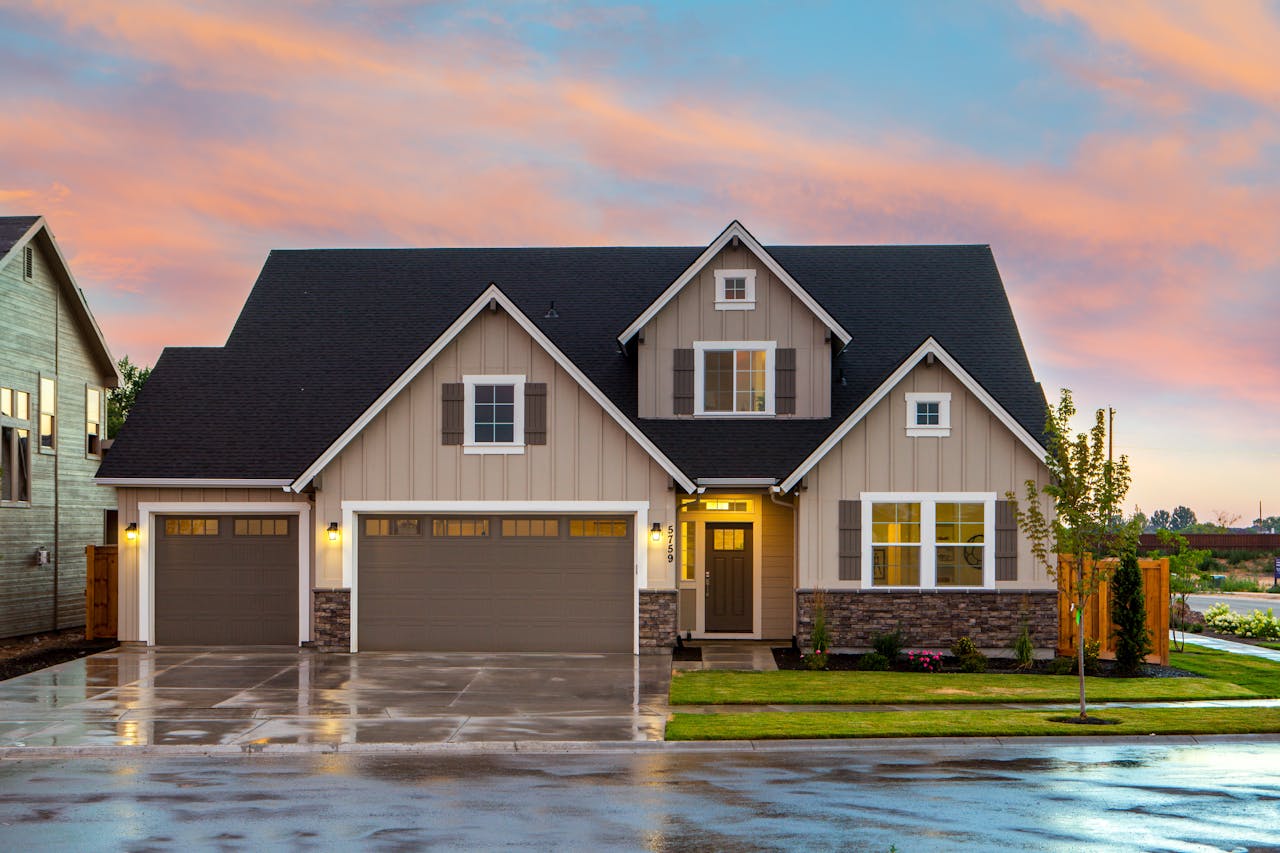

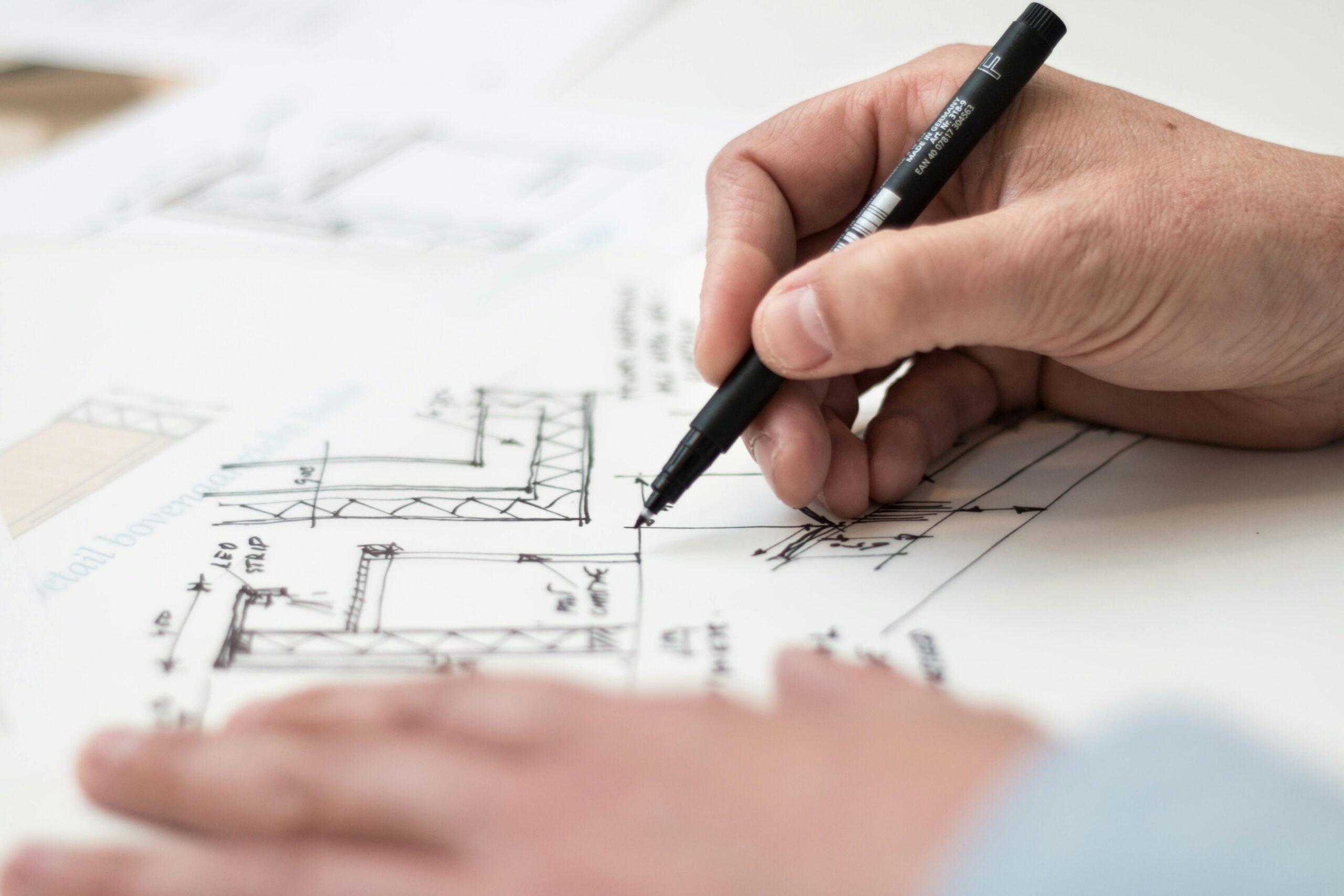
Designing a custom home is one of the most exciting opportunities homeowners can experience. For families in Manotick and Richmond, planning a custom home layout offers the chance to create a living environment that truly supports how they want to live, grow, and spend time together. Unlike purchasing an existing home that may require compromises, a custom layout allows every room, connection, and detail to be designed intentionally.
A well-planned layout goes far beyond deciding where walls and rooms should be placed. It considers how the home will function every day, how family members interact with different spaces, and how the house can adapt over time. In communities like Manotick and Richmond, where many properties offer generous lot sizes and beautiful surroundings, custom home layouts can take full advantage of both indoor and outdoor living opportunities.
Planning a custom home layout requires thoughtful design, careful consideration of family needs, and a clear vision of how the home will support everyday life.
Why Custom Home Layouts Are Becoming More Popular
Many homeowners in Manotick and Richmond are choosing custom homes rather than purchasing pre-designed houses. One of the biggest reasons is flexibility. Every family has different priorities, routines, and lifestyle preferences, and a custom layout allows those priorities to guide the design process.
Custom layouts are especially appealing for families who want:
• Spaces designed around their daily routines
• More control over room sizes and connections
• Better natural light and views
• Flexible rooms that can adapt as children grow
• A home that reflects their personal style and preferences
Instead of trying to fit their lifestyle into an existing structure, homeowners can design spaces that truly match how they want to live.
Understanding How Families Use Their Homes
The first step in planning a successful custom home layout is understanding how the household functions on a daily basis. Every family interacts with their home differently. Some households prioritize shared gathering areas, while others require quiet workspaces or private retreats.
Designers often begin by discussing key questions with homeowners:
• How does the family spend time together?
• Are there frequent guests or extended family visits?
• Do family members work from home?
• Are outdoor spaces important for entertaining or relaxation?
• What kind of storage and organization is required?
Answering these questions helps establish a clear foundation for designing a home that supports the family’s lifestyle.
Creating a Strong Main Living Area
The main living area is often the heart of the home. In many modern layouts, this includes the kitchen, dining area, and living room connected in an open arrangement.
Families in Manotick and Richmond often prefer layouts where these spaces flow naturally into one another. This design approach supports social interaction and allows natural light to move freely throughout the home.
A well-designed main living area may include:
• A spacious kitchen with a large island
• A dining area positioned near natural light
• A comfortable family room connected to the kitchen
• Easy access to outdoor patios or decks
This open arrangement encourages everyday interaction while making the home feel larger and more welcoming.
Designing a Functional Kitchen Layout
The kitchen is often the most frequently used space in a home. When planning a custom layout, careful attention is given to how the kitchen supports both cooking and social activities.
Important kitchen layout considerations include:
• Efficient work triangle between sink, stove, and refrigerator
• Sufficient counter space for food preparation
• Storage solutions such as pantries and cabinets
• Seating areas at islands or breakfast bars
• Clear connections to dining and living spaces
In family homes, the kitchen often becomes a gathering place where children complete homework, guests socialize, and daily routines unfold.
Designing the kitchen to support these activities helps create a home that feels comfortable and practical.
Bedrooms Designed for Privacy and Comfort
Bedrooms should provide quiet, private retreats within the home. A thoughtful layout separates sleeping areas from active living spaces to maintain comfort and relaxation.
Custom home layouts often group bedrooms together while maintaining distance from noisy areas like kitchens and entertainment spaces.
Common layout strategies include:
• Placing children’s bedrooms near each other
• Designing a private primary suite separate from other rooms
• Including walk-in closets and ensuite bathrooms
• Providing adequate natural light and ventilation
These considerations help create restful environments for every member of the household.
Home Offices and Study Spaces
With remote work and online learning becoming more common, many families now prioritize dedicated home office spaces.
When designing home offices, layout planning focuses on creating areas that support productivity without interfering with household activities.
Effective home office design includes:
• Quiet locations away from busy living areas
• Good natural lighting
• Built-in shelving or storage
• Comfortable room proportions for extended use
Some families also incorporate flexible rooms that can serve as offices during the day and guest bedrooms when needed.
This adaptability allows homes to evolve alongside changing family needs.
Mudrooms and Entry Spaces
Entry areas are often overlooked during home design, but they play an important role in keeping homes organized. Mudrooms and entry spaces help manage daily transitions between outdoor and indoor environments.
A well-designed entry space might include:
• Built-in benches for removing shoes
• Storage for coats and bags
• Shelving for sports equipment or school items
• Easy access to laundry areas
In family homes, these spaces help maintain order and prevent clutter from spreading into living areas.
Connecting Indoor and Outdoor Living
Homes in Manotick and Richmond often benefit from larger lots and natural surroundings. Custom home layouts can take advantage of these features by creating strong connections between indoor and outdoor spaces.
Popular design strategies include:
• Large sliding or folding doors leading to patios
• Covered outdoor dining areas
• Outdoor kitchens or entertainment spaces
• Living rooms that overlook landscaped backyards
These connections expand the usable living space of the home and encourage families to enjoy outdoor environments.
Storage and Organization
Storage plays a crucial role in maintaining a comfortable and organized home. Custom layouts provide opportunities to integrate storage solutions throughout the house.
Common storage areas include:
• Walk-in closets
• Built-in shelving
• Pantry spaces
• Garage storage systems
• Linen closets and utility rooms
Designing storage into the layout from the beginning prevents clutter and helps maintain a clean and functional environment.
Designing for the Future
Families often remain in their homes for many years, so custom layouts should consider future needs as well as present ones.
Forward-thinking design may include:
• Flexible rooms that can change functions
• Accessible layouts that support aging in place
• Additional bedrooms for growing families
• Potential secondary suites for extended family members
Planning for these possibilities ensures the home remains functional and comfortable over time.
Natural Light and Spatial Comfort
Natural light plays a significant role in how a home feels. Layout planning often prioritizes window placement and orientation to bring sunlight into key areas.
Homes designed with good natural light often feel:
• More spacious
• More inviting
• More connected to the outdoors
• More energy efficient
Designers carefully position living spaces, kitchens, and dining areas to benefit from daylight throughout the day.
The Role of Permit-Ready Design Plans
Before construction begins, detailed design documentation must be prepared. These plans ensure the layout meets building codes and municipal requirements.
Construction-ready plans typically include:
• Floor plans
• Building elevations
• Structural details
• Site placement and setbacks
• Code compliance documentation
These documents allow builders to accurately construct the home while ensuring the project meets all local regulations.
Creating Homes That Support Real Life
Custom home layouts are about more than architecture. They are about creating environments that support everyday living.
For families in Manotick and Richmond, thoughtful layout planning allows homes to reflect their values, routines, and future goals. Every room, hallway, and connection can be designed to improve how the home functions.
With careful planning, a custom home becomes more than just a structure. It becomes a space that supports family life, encourages connection, and provides comfort for many years to come.