

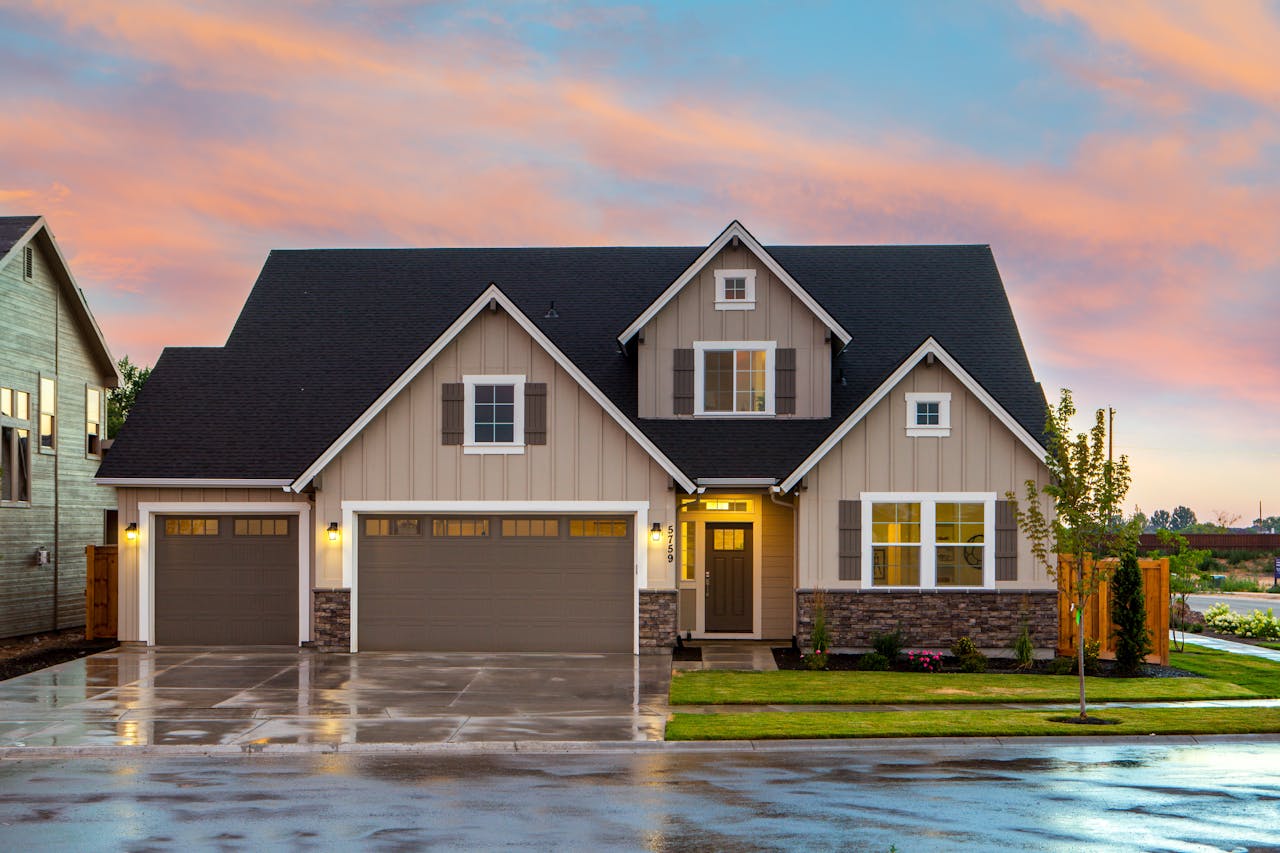
Dunrobin is known for its quiet rural charm, spacious landscapes, and close-knit community feel. While many properties in the area offer generous lot sizes, not every home is large in square footage. In fact, many homeowners in Dunrobin live in compact houses, bungalows, or modest two-storey homes that require thoughtful planning to maximize comfort and usability.
The good news is that size does not limit potential. With the right residential home design ideas, small homes in Dunrobin can feel open, bright, and far more spacious than their footprint suggests. Smart design decisions can dramatically improve how a home functions, flows, and feels on a daily basis—without the need for excessive additions or wasted space.
This guide explores small residential home design ideas that help Dunrobin homeowners make the most of every square foot while maintaining comfort, functionality, and long-term livability.
Why Small Home Design Matters in Dunrobin
Small homes demand intentional design. Every room, wall, and opening must serve a purpose. Unlike larger houses, compact homes do not allow for inefficiencies, awkward circulation, or unused space.
In Dunrobin, small residential home design is influenced by several factors:
- Rural and semi-rural lot conditions
- Desire for simplicity and low maintenance
- Preference for open, flexible living spaces
- Connection to outdoor environments
- Long-term planning for family growth or aging in place
Residential home design plans tailored for small homes ensure that limited square footage works harder—supporting everyday routines while maintaining a sense of openness.
1. Open-Concept Layouts That Remove Visual Barriers
One of the most effective ways to make a small home feel larger is by eliminating unnecessary walls. Open-concept layouts remain a cornerstone of modern residential home design, particularly for compact homes.
By combining the kitchen, dining, and living areas into a single open space, homeowners benefit from:
- Improved natural light flow
- Better sightlines
- Easier movement through the home
- A more social and connected environment
- A visually larger interior
In Dunrobin homes, open layouts work especially well when paired with large windows that frame outdoor views, allowing the surrounding landscape to visually extend the interior space.
2. Smart Floor Plan Design Over Square Footage
When it comes to small residential home design, layout matters more than size. Poorly planned large homes can feel cramped, while well-designed small homes feel expansive.
Effective floor plan strategies include:
- Centralized living zones to reduce hallways
- Direct room connections to minimize wasted circulation space
- Strategic placement of staircases to avoid blocking light
- Proper alignment of doors and openings
- Logical room adjacencies that support daily routines
Design your own house floor plans often start with room lists, but professional residential home design plans focus on how spaces relate to one another—creating flow rather than fragmentation.
3. Maximizing Natural Light to Expand Perception
Natural light is one of the most powerful tools in small home design. Bright spaces feel larger, calmer, and more inviting.
Key lighting strategies include:
- Oversized windows where privacy allows
- Sliding or patio doors opening to outdoor areas
- Windows placed across from each other to create cross-light
- Clerestory windows in kitchens or living areas
- Light-reflective interior finishes
In Dunrobin, where scenic views are common, carefully placed windows not only increase light but also visually connect the home to the outdoors—instantly making rooms feel more expansive.
4. Multi-Purpose Rooms That Adapt Over Time
Small homes benefit greatly from spaces that serve more than one function. Instead of dedicating square footage to single-use rooms, modern residential home design favors flexibility.
Examples of multi-purpose design include:
- Home offices that double as guest rooms
- Dining areas that incorporate built-in storage
- Playrooms that convert into study or hobby spaces
- Bedrooms with integrated workspace or reading nooks
- Finished basements designed for multiple uses
These design choices allow small homes to adapt as needs change, eliminating the feeling of being “boxed in” by limited space.
5. Built-In Storage That Reduces Clutter
Clutter is one of the fastest ways to make a small home feel cramped. Smart storage solutions keep living areas open and visually calm.
Residential home design ideas for storage include:
- Built-in shelving instead of freestanding furniture
- Floor-to-ceiling cabinetry
- Window seats with hidden storage
- Under-stair storage compartments
- Custom mudroom cabinetry
- Integrated pantry systems
In Dunrobin homes, where outdoor living and seasonal gear are common, well-planned storage is essential for maintaining a clean, spacious interior.
6. Strategic Ceiling Design for Vertical Space
Ceiling height plays a major role in how large a space feels. Even modest increases in height can dramatically change perception.
Design strategies include:
- Vaulted ceilings in main living areas
- Tray ceilings to add visual depth
- Exposed beams to draw the eye upward
- Flat ceilings with minimal bulkheads
- Vertical design elements that emphasize height
Vertical space is often underutilized in small residential home design. By designing upward instead of outward, homes feel more open without increasing the footprint.
7. Thoughtful Kitchen Design That Avoids Crowding
In small homes, kitchens must be efficient without feeling cramped. Poor kitchen layouts can quickly dominate limited square footage.
Effective small kitchen design strategies include:
- Compact work triangles
- Integrated appliances
- Deep drawers instead of lower cabinets
- Open shelving to reduce visual weight
- Islands sized appropriately for the space
- Clear sightlines into living areas
Residential home design plans with photos often reveal how well-designed kitchens anchor small homes and support both function and openness.
8. Seamless Indoor-Outdoor Connections
Connecting interior spaces to the outdoors is especially effective in Dunrobin, where many properties have access to open landscapes.
Design ideas include:
- Large sliding doors to decks or patios
- Covered outdoor areas aligned with interior living spaces
- Visual alignment between interior windows and exterior views
- Outdoor rooms designed as extensions of the home
Even when interior square footage is limited, these design strategies make the home feel significantly larger by visually extending the living area.
9. Neutral Color Palettes and Light Finishes
Color has a powerful impact on spatial perception. Lighter tones tend to open spaces, while darker colors can visually shrink them.
Small residential home design benefits from:
- Neutral wall colors
- Consistent flooring throughout main living areas
- Minimal contrast between walls and ceilings
- Light wood tones or soft textures
- Matte finishes that reduce visual noise
That said, accent colors can still be used strategically to define zones without overwhelming the space.
10. Fewer, Larger Rooms Instead of Many Small Ones
Small homes often feel cramped because space is divided into too many rooms. Reducing unnecessary partitions creates larger, more usable spaces.
Design principles include:
- Combining dining and living spaces
- Eliminating formal rooms that see little use
- Using furniture placement to define zones
- Creating visual separation instead of physical walls
This approach results in residential home design plans that prioritize livability over tradition.
11. Efficient Bedroom Layouts That Avoid Wasted Space
Bedrooms in small homes should be sized for comfort—not excess. Oversized bedrooms can consume valuable square footage better used elsewhere.
Smart bedroom design includes:
- Right-sized closets with built-in storage
- Bed placement that allows clear circulation
- Integrated shelving or wall-mounted lighting
- Window placement that maximizes light without sacrificing privacy
In Dunrobin, where peaceful surroundings are common, bedroom placement and window orientation can also enhance comfort and tranquility.
12. Basement Design That Adds Livable Space
Basements are often underutilized in small homes, yet they provide valuable square footage.
Small residential home design ideas for basements include:
- Open recreation areas
- Home offices or studios
- Guest rooms
- Secondary suites where permitted
- Storage zones integrated into living areas
Well-designed basements significantly increase a home’s functional size without altering its exterior footprint.
13. Clear Sightlines and Minimal Visual Obstruction
Visual continuity makes spaces feel larger. Clear sightlines across rooms reduce the sense of enclosure.
Design strategies include:
- Aligning doorways
- Using glass or partial partitions
- Avoiding tall furniture in narrow spaces
- Keeping window coverings minimal
- Designing stairs with open risers or glass railings
These choices allow the eye to travel through the home uninterrupted.
14. Small Home Design That Plans for the Future
A well-designed small home should not feel limiting over time. Residential home design plans should anticipate future needs such as:
- Changing family size
- Work-from-home requirements
- Accessibility considerations
- Aging-in-place solutions
- Potential accessory dwellings
Planning ahead ensures that a small home continues to feel comfortable and functional for years to come.
15. The Role of Professional Residential Home Design Plans
Small residential home design leaves little room for error. Every inch matters, which makes professional planning essential.
Residential home design plans prepared by experienced designers ensure:
- Efficient layouts
- Accurate room proportions
- Code compliance
- Structural logic
- Proper window placement
- Optimized storage
- Permit-ready residential home design PDFs
Homeowners searching for residential home design ideas or design your own house floor plans often find inspiration online—but translating ideas into buildable, compliant plans requires expertise.
Why Dunrobin Homeowners Benefit from Thoughtful Design
Dunrobin’s blend of rural beauty and quiet living makes it an ideal place for homes that prioritize comfort over size. Small residential home design ideas allow homeowners to enjoy efficient, welcoming spaces that feel far larger than expected.
By focusing on layout, light, flexibility, and flow, small homes in Dunrobin can deliver exceptional quality of life—without unnecessary expansion or wasted square footage.
Conclusion
Small residential home design is not about compromise—it is about intention. In Dunrobin, where lifestyle, landscape, and simplicity matter, smart design transforms modest homes into open, comfortable, and highly functional living spaces.
Through thoughtful residential home design plans, strategic layouts, and modern design principles, small homes can feel expansive, bright, and perfectly suited to everyday living. With the right planning, size becomes a strength rather than a limitation.