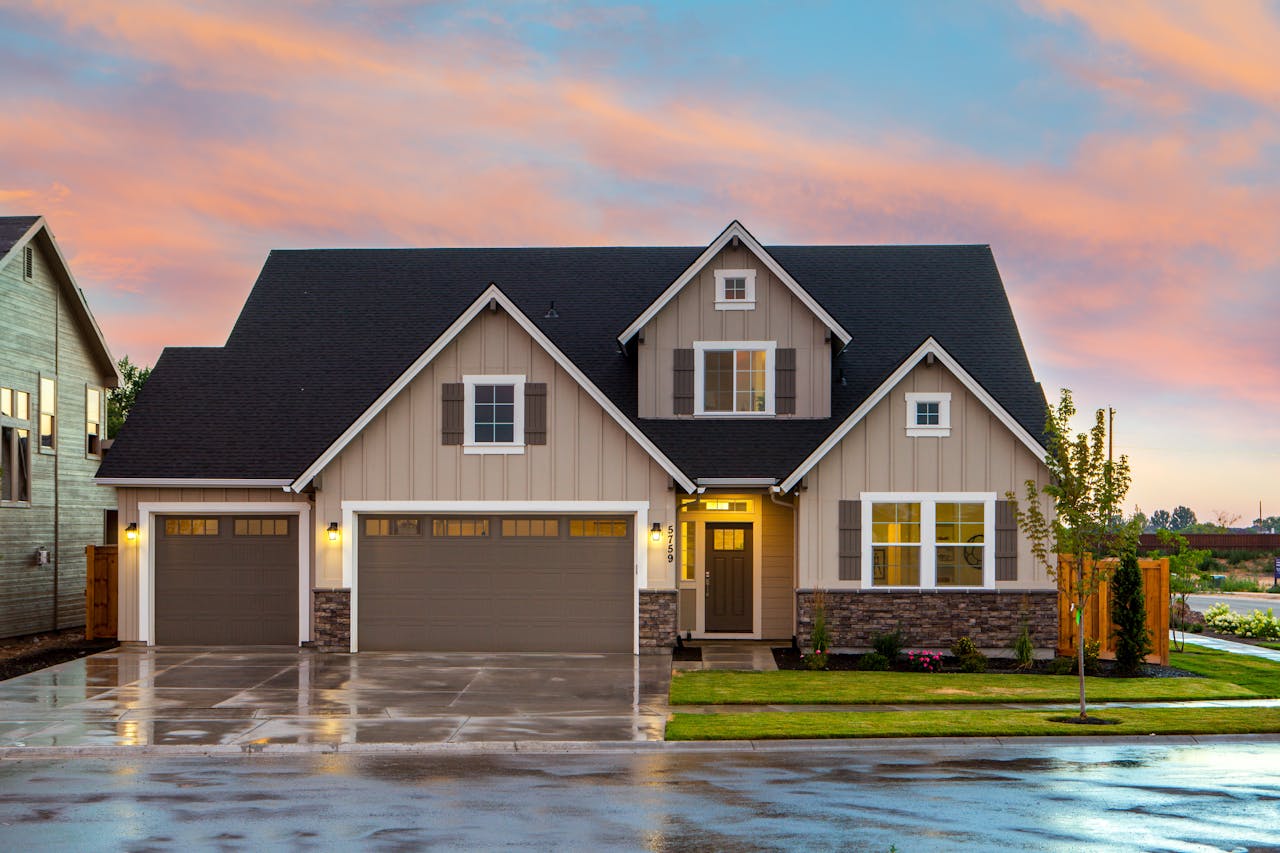


This post is designed for homeowners in Ottawa and surrounding areas (Kanata, Orleans, Nepean, Barrhaven, Stittsville, Carleton Place, Richmond ON, Arnprior, Dunrobin, Kemptville) who are searching for a “BCIN designer near me,” wondering about pricing, process, and what working with a BCIN designer really means.
It naturally weaves in keywords: residential home design plans, residential home design ideas, residential home design pdf, small residential home design, modern residential home design, design your own house floor plans, home design plans with photos, floor plan lookup by address, BCIN designer near me cost, BCIN directory, etc.
Why “BCIN Designer Near Me” Is More Than a Search Phrase
When you type “BCIN designer near me” into Google, you’re likely at the beginning of an important journey. Perhaps you’ve bought property in Kanata, Barrhaven, or Orleans and are ready to build. Maybe you’re considering a renovation, a custom home, or an accessory dwelling. Whatever the case, adding “near me” reflects not just convenience — it reflects the critical value of local knowledge. A BCIN-certified designer who understands Ottawa’s permitting environment, local zoning nuances, and regional building conditions can provide far more than a generic floor plan.
In Ottawa and its surrounding communities, residential home design plans must meet Ontario Building Code regulations, municipal by-laws, and neighbourhood specifics. A local BCIN designer brings compliance confidence — whether for a modern residential home design, a small residential home design on a narrow lot, or a complex custom home plan.
As demand rises for searches like “best BCIN designer near me,” “BCIN designer near me hiring,” and “BCIN designer near me cost,” it becomes essential for homeowners to understand what influences cost, what the design process looks like, and what to expect when planning a build or renovation.
What a BCIN Designer Does — The Full Scope of Service
Before diving into costs, it’s useful to clarify exactly what a BCIN-certified designer does, and why that matters.
A BCIN designer is licensed to prepare and submit residential home design plans for permit applications in Ontario. Their responsibilities typically include:
- Creating fully detailed architectural drawings: floor plans, elevations, roof plans, foundation plans.
- Producing site plans with lot layout, setbacks, drainage, grading, and orientation details.
- Ensuring compliance with Ontario Building Code, local zoning by-laws, energy efficiency standards, and structural regulations.
- Preparing residential home design PDFs that builders and municipalities can review and approve.
- Coordinating with engineers, structural consultants, and trades when needed (especially for complex builds, additions, accessory dwellings, or site-specific challenges).
- Advising on layout flow, natural light, efficient use of space — whether for a small residential home design or a sprawling custom home.
- Offering expertise on modern residential home design ideas: open-concept layouts, indoor-outdoor living, smart storage, accessory dwelling units, multi-purpose space — all adapted to Ottawa’s climate and community standards.
For homeowners, this means: going beyond “design your own house floor plans” templates or generic software — these often fail to satisfy permit requirements, leading to delays, extra costs, and frustration. A qualified BCIN designer transforms conceptual ideas into compliant, realistic, build-ready plans.
What Impacts the Cost of a BCIN Designer in Ottawa
When searching for “BCIN designer near me cost,” you’ll find a wide range of estimates. That variation is due to several key factors. Understanding them helps set realistic budgets and avoid surprises.
1. Project Type and Scope
- Small residential home design or simple renovation/addition: fewer rooms, simpler layout, minimal structural changes → lower cost.
- Custom homes, multi-storey houses, or accessory dwelling units: more complex structural, foundation, site planning → higher cost.
- Accessory structure, deck, shed, detached garage, or secondary suite: these often require precise zoning and structural planning, adding complexity.
2. Lot Type and Site Conditions
- Regular suburban lot (e.g. in Kanata, Nepean, Barrhaven): straightforward foundation, predictable drainage → easier to design.
- Rural or irregular lots (e.g. in Richmond ON, Dunrobin, Arnprior, Kemptville): may require grading, septic planning, drainage, well/septic layout → increases design complexity and cost.
3. Level of Service
- Basic floor plan layout only (often inadequate for permit approval): cheaper but risky.
- Full permit-ready package: floor plans, elevations, site plan, foundation, structure, plumbing/electrical layout, design notes, compliance documentation — significantly more work, higher cost, but far more reliable.
- Design with engineering coordination: structural calculations, soil tests, specialized site work — costlier but often necessary.
4. Revisions and Customization
If you want multiple variations, bespoke features, custom finishes, or special structural needs (vaulted ceilings, added levels, complicated rooflines), more design time is required. Extensive customization pushes cost upward.
5. Designer Experience & Regional Demand
More experienced, reputable BCIN designers tend to charge more. Also, in high-demand suburbs of Ottawa — Kanata, Barrhaven, Nepean — busy seasons can increase prices.
6. Additional Deliverables
- Residential home design PDFs with 3D renderings or floor plan visuals.
- Interior layouts, cabinetry plans, accessory dwelling layouts.
- Site-specific documentation, drainage, septic or well planning.
All of these add to the scope, and therefore the cost.
Typical Cost Ranges — What to Expect
While every project is unique, here is a rough breakdown of what homeowners in Ottawa may expect when hiring a BCIN designer (as of the current building environment — always confirm with your designer):
| Project Type | Service Level | Estimated Range |
|---|---|---|
| Simple renovation/addition or small home layout | Basic floor plan only | Lower-end of cost spectrum |
| Renovations, modest additions, accessory structures | Permit-ready package (foundation, elevations, site plan) | Mid-range |
| Custom homes, detached homes, accessory dwelling + main house | Full permit-ready package + engineering coordination | Higher-end |
| Large rural lot builds (septic/well, grading, specialty features) | Full package + site-specific engineering | Premium tier |
Many homeowners find the mid-range permit-ready package offers the best balance between cost and reliability. Cutting corners with basic plans may reduce upfront fees — but often leads to delays, revisions, and unexpected costs when the municipality or builder reviews the plans.
Typical Timeline and What to Expect from the Process
Understanding the design process timeline is essential to avoid frustration. A properly structured process typically looks like this:
Step 1: Initial Consultation & Site Review
- Designer reviews lot size, zoning, setbacks, orientation, soil, topography (especially in rural or semi-rural zones).
- Discuss homeowner needs: number of bedrooms, accessory dwelling, storage, layout expectations, long-term goals.
- Outline project scope, deliverables, timelines, and cost estimate.
Step 2: Concept Design & Floor Plan Draft
- Designer drafts initial layout: floor plan(s), room layout, circulation, basic structure.
- Homeowner reviews, provides feedback, suggests changes.
Step 3: Revision & Finalization
- Designer refines plan based on feedback.
- Structural logic added (load-bearing walls, supports), mechanical layout (HVAC, plumbing, electrical).
Step 4: Detailed Design Package Creation
- Complete set of drawings prepared: floor plans, foundation, roof, elevations, sections, site plan, drainage/lot grading, access, etc.
- Residential home design PDF package assembled for permit application.
Step 5: Permit Application & Coordination
- Designer submits to municipality, responds to comments or requested revisions.
- Coordination with engineers or consultants if necessary.
Step 6: Construction Readiness
- Once approved, builder receives the permit-ready plans.
- Homeowner gets final drawings and all supporting documentation.
From initial consultation to final permit-ready package, a typical project may take 6–12 weeks (depending on complexity, lot type, and revision rounds). Additional time may be needed for engineering coordination, especially on rural or complicated sites.
What You Should Expect — Transparency, Communication, and Realistic Planning
A professional BCIN designer should consistently provide:
- A clear contract outlining scope, deliverables, timeline, and cost
- Transparent pricing and what’s included/excluded (e.g., revisions, engineering fees)
- Regular communication and progress updates
- Guidance on municipal expectations (zoning, site conditions, accessory dwellings, by-law changes)
- Advice on design choices affecting cost, flow, and future livability (e.g., layout, windows, natural light, storage)
- Realistic timelines — avoiding overly optimistic promises, especially in busy seasons
If this transparency is missing, homeowners risk delays, unexpected fees, and frustration.
Common Misconceptions and Pitfalls to Avoid
When hiring a BCIN designer, many homeowners make assumptions that lead to issues later. Here are frequent pitfalls and how to avoid them:
Misconception: “Any floor plan will pass permit review.”
Design your own house floor plans or template-based drawings rarely meet building code. Without a BCIN designer’s oversight, they often get rejected or require major revisions.
Misunderstanding Zoning / Lot Constraints
Properties in suburbs like Kanata or Richmond ON may have setback, lot coverage, or height restrictions. Rural lots (Arnprior, Dunrobin, Kemptville) often have drainage or septic concerns. Not accounting for these leads to costly redesign.
Thinking Only About The Interior Layout
Structural, mechanical, foundation, drainage, and code compliance are critical. Ignoring them can derail the project during permit review or construction.
Underestimating Design Costs for Complex Builds
Custom houses, accessory dwelling units, multi-level designs — they all require more work. Budget accordingly or expect final cost estimates to rise significantly.
Using Cheap or Inadequate Plans to Save Money
Some homeowners try to save by using basic non-certified plans or freelance designers without BCIN credentials. This often results in permit rejections, structural issues, or costly rebuilds.
How to Prepare Before Contacting a BCIN Designer
Approaching your project with clarity helps streamline the process and keeps costs in check. Before contacting a BCIN designer, gather:
- Property information: lot size, shape, topography, soil condition (if known), septic/well information (if rural)
- Home requirements: number of bedrooms, bathrooms, accessory dwelling needs, storage, parking, outdoor space, budget range
- Lifestyle considerations: work-from-home, entertainment, multi-generational living, future expansion, natural light preferences, privacy needs
- Rough inspiration or style preferences: modern residential home design, small compact layouts, open-concept flow, modern farmhouse or contemporary, etc.
- Timeline expectations: when you want to start applying for permits, projected construction phase, season preferences
With this information, a BCIN designer can provide realistic feedback, accurate cost estimates, and initial design sketches that match both lifestyle and regulatory requirements.
How to Evaluate and Choose the Right BCIN Designer Near You
Selecting a designer is one of the most crucial decisions in building or renovating. Here’s what to look for:
1. Confirm Credentials
Ask for BCIN certification, registration number, and experience. Certification ensures the person is legally permitted to prepare permit-ready plans.
2. Review Portfolio & Past Work
Request past residential home design plans, photos, and examples of completed projects — simple renovations, small homes, large custom homes, accessory dwellings. Look for variety, functionality, creativity, and compliance.
3. Ask About Turnaround and Revision Policy
Revisions are common. Clarify how many revisions are included and what additional ones cost. Understand timelines for each phase — from concept to permit-ready plan.
4. Confirm What’s Included
Make sure permit-ready service includes all necessary drawings: floor plans, site plan, structure plans, foundation, elevations, etc. If engineering coordination is required, ensure that’s clearly part of the agreement.
5. Check Communication and Responsiveness
Good designers explain things clearly and respond promptly. Building a home involves many decisions — you want someone who guides rather than complicates.
6. Ensure Local Understanding
Designer should know Ottawa’s building code, municipal expectations, zoning differences among suburbs (Kanata vs. Orleans vs. rural lots). Local insight reduces issues and speeds approvals.
What High-Quality Residential Home Design Plans Provide
When you hire a BCIN designer and get a complete residential home design plan package, you receive:
- Detailed floor plans with accurate dimensions
- Elevation drawings showing exterior look
- Foundation and roof plans suited to lot and soil
- Site plan with lot boundaries, setbacks, drainage, driveway, septic/well (if applicable)
- Structural notes for builder and engineer coordination
- Plumbing, HVAC, and mechanical layout guidance (if part of scope)
- Residential home design PDFs ready for city submission
- Optional 3D renderings or photo-style floor plans (if requested)
- Documentation to facilitate smooth builder bidding and cost estimates
Having a complete plan reduces uncertainty and gives clarity to all stakeholders — homeowner, builder, city officials — making construction a smoother, predictable process.
Why the Extra Cost Is Worth It: Long-Term Value and Peace of Mind
Spending more upfront on a qualified BCIN designer pays off in multiple ways:
- Faster permit approval: fewer revisions, less waiting.
- Fewer costly on-site changes: accurate structural planning avoids expensive mid-build fixes.
- Better energy efficiency and design longevity: thoughtful layout, natural light, proper structure, and compliance.
- Higher resale or rental value: well-documented, professionally designed homes stand out in the market.
- Less stress for homeowners: clear plans, fewer surprises, smoother build timeline.
All of this contributes to long-term satisfaction with the home — and often better financial returns than trying to save money on cheap or incomplete designs.
Conclusion: What to Expect When Searching “BCIN Designer Near Me” in Ottawa
If you’re searching for a “BCIN designer near me,” you are taking the right first step toward a successful home build, renovation, or addition. But don’t stop at convenience — dig deeper. Look for expertise, services, transparency, and full permit-ready planning. Understand that cost depends on project scope, site conditions, and complexity. Prepare with clear goals, lot information, and lifestyle requirements.
By choosing a qualified BCIN designer with local Ottawa experience — whether you live in Kanata, Orleans, Nepean, Barrhaven, Carleton Place, Richmond ON, Arnprior, Dunrobin, or Kemptville — you’re investing in more than drawings. You’re investing in a smooth building journey, compliance confidence, functional design, long-term livability, and real peace of mind.
If done right, with professional residential home design plans and thoughtful planning, your dream home can turn from concept to reality — without unnecessary stress, delays, or surprises.