
Outdoor living spaces have become one of the most requested design features among homeowners in Greely. The idea of having a beautiful backyard is appealing, but what truly matters is whether that space gets used. I have seen many outdoor areas that look impressive at first glance but end up sitting empty most of the year. That is usually not a design problem. It is a planning problem.
When I approach outdoor living design, I focus on creating spaces that naturally fit into everyday life. The goal is not just to build something visually appealing, but to create an environment that homeowners actually enjoy using on a regular basis. In Greely, where properties often offer more space and a stronger connection to nature, there is a real opportunity to design outdoor areas that feel like an extension of the home.
I Start by Understanding How the Space Will Be Used
The first step is always understanding how the homeowner wants to use the outdoor space. Not everyone uses their backyard the same way. Some people love hosting gatherings. Others want a quiet place to relax. Some families need space for children to play, while others are looking for a more private retreat.
I ask practical questions to understand daily habits and seasonal use. Do you enjoy outdoor dining? Do you want a fire feature for evenings? How often do you entertain? Do you prefer sun or shade? These details shape the direction of the design.
In Greely, where homeowners often have larger lots, there is a tendency to try to include everything. I focus on prioritizing what will actually be used. A well-used space is always better than an overbuilt one.
I Treat the Outdoor Area as an Extension of the Home
One of the biggest reasons outdoor spaces go unused is because they feel disconnected from the house. If it is not easy to access or does not relate to the interior layout, it becomes an afterthought.
I design outdoor spaces so they feel like a natural extension of the home. This often means aligning them with key interior areas such as the kitchen, dining room, or living space. When the transition between indoors and outdoors is smooth, people are far more likely to use the space.
In Greely homes, I often create direct connections from main living areas to patios, decks, or outdoor seating zones. This makes it easy to step outside and use the space without effort.
I Focus on Layout and Zoning
Just like the inside of a home, an outdoor space needs structure. Without clear organization, even a large backyard can feel uninviting or difficult to use.
I divide outdoor areas into functional zones based on how they will be used. This might include a dining area, a lounge space, a cooking zone, and a more open area for movement or play. Each zone should feel intentional while still being part of a cohesive design.
In Greely, where space allows for flexibility, zoning helps prevent the backyard from feeling empty or undefined. It gives each part of the space a purpose, which encourages regular use.
I Design for Comfort, Not Just Appearance
A space can look great but still be uncomfortable to use. Comfort is one of the most important factors in whether an outdoor area gets used consistently.
I think about seating, shade, wind exposure, and how the space feels throughout the day. In Greely, where weather conditions can vary, it is important to plan for both sunny and cooler days.
This might include covered areas, pergolas, or strategic placement of seating to take advantage of natural protection. When a space feels comfortable, people naturally spend more time in it.
I Consider Sunlight and Orientation
Sunlight plays a major role in outdoor living design. A space that is too exposed can feel too hot during the day, while a space with too much shade may feel cold or uninviting.
I study how sunlight moves across the property and design accordingly. In Greely, where properties often have open surroundings, this becomes even more important.
I position seating areas, dining zones, and features like decks or patios in a way that balances sun and shade. This allows the space to be used comfortably at different times of the day.
I Create Strong Connections to Nature
One of the advantages of living in Greely is the connection to natural surroundings. I always try to enhance that connection rather than compete with it.
This might involve framing views, incorporating natural materials, or designing spaces that blend into the landscape. The goal is to create an environment that feels calm and grounded.
When outdoor spaces feel connected to nature, they become more inviting and enjoyable to use.
I Plan for Practical Features That Support Daily Use
A well-designed outdoor space should support everyday activities, not just occasional use. That is why I include practical features that make the space more functional.
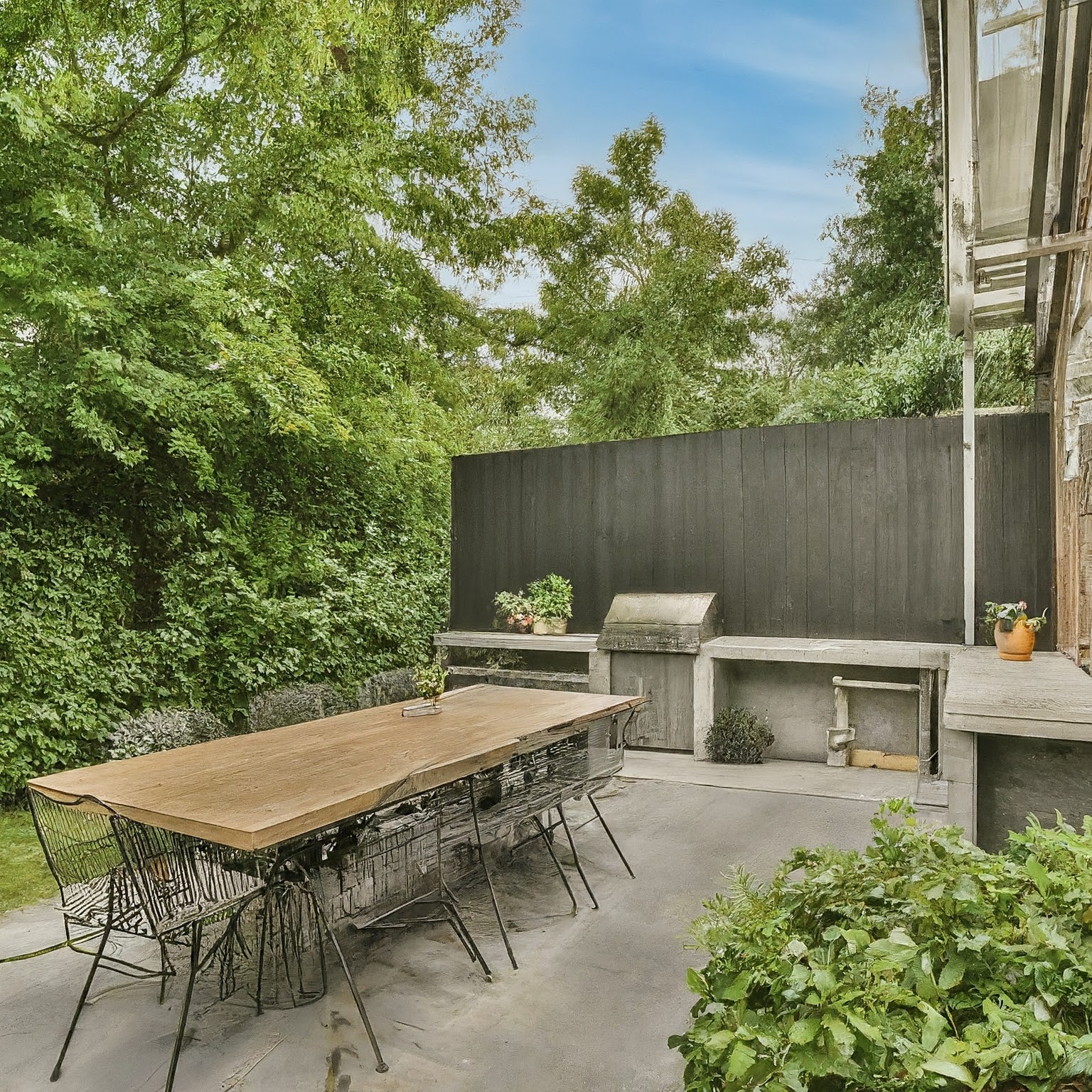
This can include outdoor kitchens, built-in seating, storage, lighting, and easy access to utilities. In Greely, where homeowners often spend time outdoors during warmer months, these features can make a big difference.
When everything you need is within reach, the space becomes more convenient and more likely to be used regularly.
I Design Lighting for Evening Use
Outdoor spaces should not be limited to daytime use. Lighting plays a key role in extending the usability of the space into the evening.
I design lighting that is both functional and subtle. This includes pathway lighting, ambient lighting for seating areas, and task lighting for cooking or dining spaces.
In Greely, where evenings can be a great time to enjoy the outdoors, proper lighting makes the space feel safe, comfortable, and inviting.
I Keep Maintenance in Mind
A space that is difficult to maintain often ends up being used less. I take maintenance into account when selecting materials and designing features.
This includes choosing durable materials, planning for proper drainage, and avoiding overly complex elements that require constant upkeep.
In Greely, where weather conditions can impact outdoor materials, durability is especially important. A well-planned space should remain functional and attractive without requiring excessive effort to maintain.
I Balance Open Space and Defined Areas
While zoning is important, it is also important to maintain a sense of openness. Outdoor spaces should not feel overcrowded or overdesigned.
I balance defined areas with open space to allow for flexibility. This gives homeowners the freedom to use the space in different ways over time.
In Greely, where larger properties are common, this balance helps create a backyard that feels both structured and relaxed.
I Plan for Long-Term Flexibility
Just like interior spaces, outdoor areas should be able to adapt over time. Needs change, and the design should allow for that.
I create layouts that can evolve. A seating area today might become an outdoor dining space later. An open lawn area might be used differently as a family grows.
This flexibility ensures that the outdoor space continues to be useful and relevant over the years.
I Make the Space Feel Personal
At the end of the day, an outdoor living space should reflect the homeowner’s lifestyle and preferences. It should feel like a natural extension of who they are.
I take the time to incorporate personal elements that make the space unique. This might include specific materials, design features, or layouts that align with how the homeowner wants to live.
In Greely, where homeowners often value both privacy and connection to nature, creating a personalized space is key to making it truly enjoyable.
Why Some Outdoor Spaces Go Unused
I have seen many outdoor spaces that look impressive but are rarely used. In most cases, the issue comes down to a lack of thoughtful planning.
Spaces that are too far from the house, poorly oriented, uncomfortable, or lacking clear purpose tend to be ignored. Without a strong connection to daily life, even the most visually appealing design can fall short.
That is why my focus is always on usability. A space that works well will always outperform one that only looks good.
Final Thoughts
Planning outdoor living spaces that actually get used in Greely is about more than design. It is about understanding how people live and creating spaces that support that lifestyle.
By focusing on layout, comfort, connection to the home, natural light, and practical features, I design outdoor areas that feel inviting and easy to use. Every decision is made with the goal of making the space a natural part of everyday life.
A well-designed outdoor space should not feel like an extra feature. It should feel like an essential part of the home. When that happens, it becomes a place where people gather, relax, and spend time regularly.
That is what makes the design successful.