
The kitchen is one of the most important spaces in any home, but for growing families, it becomes something even more significant. It is where mornings begin, meals are prepared, conversations happen, and daily life unfolds. In Kanata, where many families are expanding, working from home, and balancing busy schedules, the kitchen needs to do more than just look good. It needs to work.
When I design kitchens for growing families, I do not start with finishes or trends. I start with function. A kitchen should support the way a family actually lives, not force them to adapt to it. My goal is to create a space that feels organized, efficient, and comfortable, even during the busiest parts of the day.
I Start by Understanding Daily Routines
Every family uses their kitchen differently, and that is where I begin. I take the time to understand how the space is used throughout the day. What does a typical morning look like? How many people are using the kitchen at once? Is it primarily for cooking, or does it also serve as a workspace, homework zone, or gathering area?
In Kanata, I often work with families who need their kitchen to handle multiple activities at once. Parents preparing meals, kids getting ready for school, someone making coffee, someone else packing lunches. These overlapping routines shape how the kitchen should be designed.
By understanding these patterns early, I can create a layout that reduces congestion and makes everyday tasks easier.
I Design Layouts That Support Movement and Flow
One of the biggest challenges in a family kitchen is managing movement. When multiple people are using the space at the same time, poor layout becomes very noticeable.
I focus on creating clear pathways that allow people to move through the kitchen without interfering with each other. This includes spacing between counters, positioning of appliances, and how the kitchen connects to surrounding areas like the dining room or mudroom.
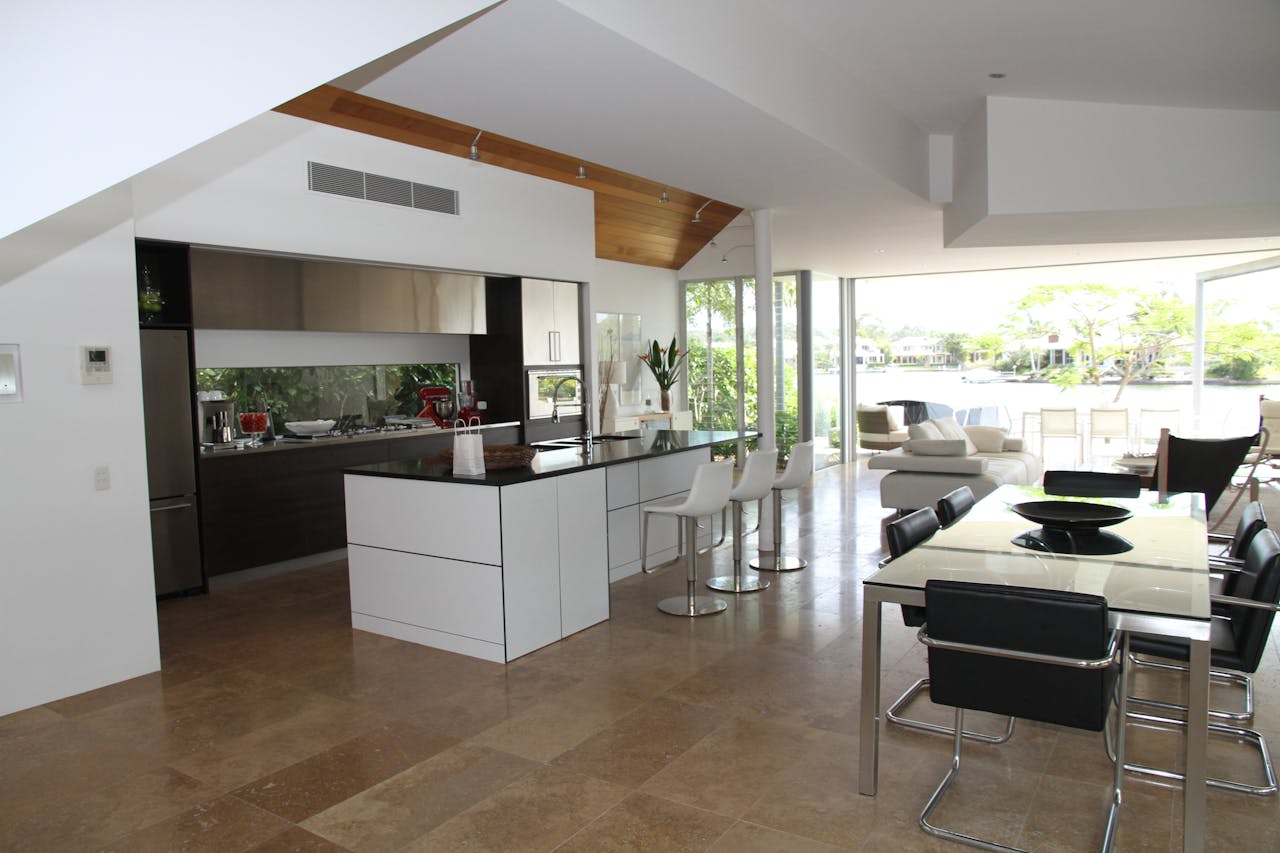
In Kanata homes, where open-concept layouts are common, I make sure the kitchen integrates smoothly with adjacent spaces while still maintaining its own structure. The goal is to create a space that feels open but remains functional.
I Prioritize Zones Over Traditional Layouts
Instead of thinking about the kitchen as a single workspace, I break it into zones. This approach works especially well for growing families because it allows multiple activities to happen at once without conflict.
I typically design separate zones for food preparation, cooking, cleaning, and storage. In larger kitchens, I may also include zones for snacks, coffee, or kids’ access.
This zoning approach reduces bottlenecks. For example, someone can be cooking while another person is using the sink, and someone else is grabbing something from the fridge, all without getting in each other’s way.
I Create Kitchens That Handle Real-Life Storage Needs
Storage is one of the most important elements in a functional kitchen, especially for families. Without enough storage, the kitchen quickly becomes cluttered, which makes it harder to use.
I design storage based on what families actually need to store. This includes everyday items like dishes, cookware, and food, as well as less obvious items like school supplies, reusable containers, small appliances, and bulk groceries.
In Kanata kitchens, I often include a mix of cabinetry, pantry space, and hidden storage solutions. The goal is to keep frequently used items accessible while keeping the space organized and visually clean.
Good storage is not just about having more space. It is about having the right space in the right places.
I Design Islands That Do More Than One Thing
Kitchen islands are often a central feature, but their effectiveness depends on how they are designed. For growing families, an island should serve multiple purposes.
I design islands that can handle food prep, casual dining, and gathering. In many Kanata homes, the island becomes the main hub of the kitchen, so it needs to be sized and positioned correctly.
I also consider how the island interacts with the rest of the kitchen. It should not block movement or create tight spaces. Instead, it should enhance flow and provide additional functionality without getting in the way.
I Make Room for Family Interaction
A kitchen should not feel isolated, especially in a family home. I design spaces that encourage interaction while still supporting practical use.
This might include seating areas where kids can do homework or spend time nearby while meals are being prepared. It could also mean creating visual connections to living spaces so the kitchen feels part of the larger home environment.
In Kanata, where families often prioritize time together, this connection is an important part of the design. The kitchen becomes a place where people gather naturally, not just a place for cooking.
I Plan for Durability and Everyday Use
Kitchens in family homes experience a lot of wear and tear. That is why I always consider durability as part of the design.
I think about how materials, layouts, and features will hold up over time. While aesthetics are important, the kitchen needs to be able to handle daily use without constant maintenance.
This includes choosing practical layouts that reduce strain on the space and designing in a way that keeps the kitchen functional even during busy periods.
I Ensure Appliances Are Positioned for Efficiency
Appliance placement plays a major role in how a kitchen functions. Poor placement can create unnecessary movement and disrupt workflow.
I carefully position appliances so they support the natural flow of the kitchen. The fridge, stove, and sink should be accessible without creating congestion. In family kitchens, I also consider how appliances are used by different members of the household.
For example, placing the fridge in a location that allows easy access without interfering with cooking can make a noticeable difference in daily use.
I Improve Connections to Entry Points and Mudrooms
In many Kanata homes, the kitchen is closely connected to entry points like garages or mudrooms. This connection is an important part of the design.
I look at how people enter the home and move into the kitchen. Where do groceries go when you walk in? Where do bags, coats, and shoes get placed? These transitions should feel natural and efficient.
By improving this connection, I help reduce clutter and make everyday routines smoother.
I Design for Flexibility as Families Grow
Growing families need spaces that can adapt over time. A kitchen that works well today should continue to work as needs change.
I design kitchens with flexibility in mind. This might include spaces that can be used differently as children grow older or layouts that can accommodate changes in lifestyle.
In Kanata, where many families stay in their homes long-term, this forward-thinking approach helps ensure the kitchen remains functional for years to come.
I Maximize Natural Light and Openness
Light has a strong impact on how a kitchen feels. A well-lit space feels larger, more inviting, and more enjoyable to use.
I pay attention to how natural light enters the kitchen and how it interacts with the layout. In some cases, small adjustments to openings or connections to adjacent spaces can improve light flow significantly.
In Kanata homes, where open-concept living is common, maximizing light helps create a kitchen that feels connected and welcoming.
I Keep the Design Clear and Intentional
In busy family kitchens, simplicity is important. Too many competing elements can make the space feel chaotic.
I focus on creating a clear and intentional design where every element has a purpose. This helps the kitchen feel organized and easy to use, even during busy times.
A well-designed kitchen should feel effortless, not overwhelming.
Why Functional Kitchens Matter for Growing Families
A functional kitchen can have a major impact on daily life. It reduces stress, improves efficiency, and makes everyday routines easier to manage.
For growing families in Kanata, this is especially important. The kitchen is often the busiest space in the home, and when it works well, everything else feels more manageable.
A poorly designed kitchen can create frustration and slow down daily routines. A well-designed one supports the way a family lives and makes the home feel more comfortable overall.
Final Thoughts
Designing functional kitchens for growing families in Kanata is about more than layout and storage. It is about understanding how people live and creating a space that supports that lifestyle.
By focusing on movement, zoning, storage, flexibility, and connection, I create kitchens that feel practical, organized, and easy to use. Every decision is made with the goal of improving daily life.
A great kitchen does not just look good. It works. It supports your routines, adapts to your needs, and becomes a space where your family can gather, connect, and spend time together.
That is what makes the design successful.