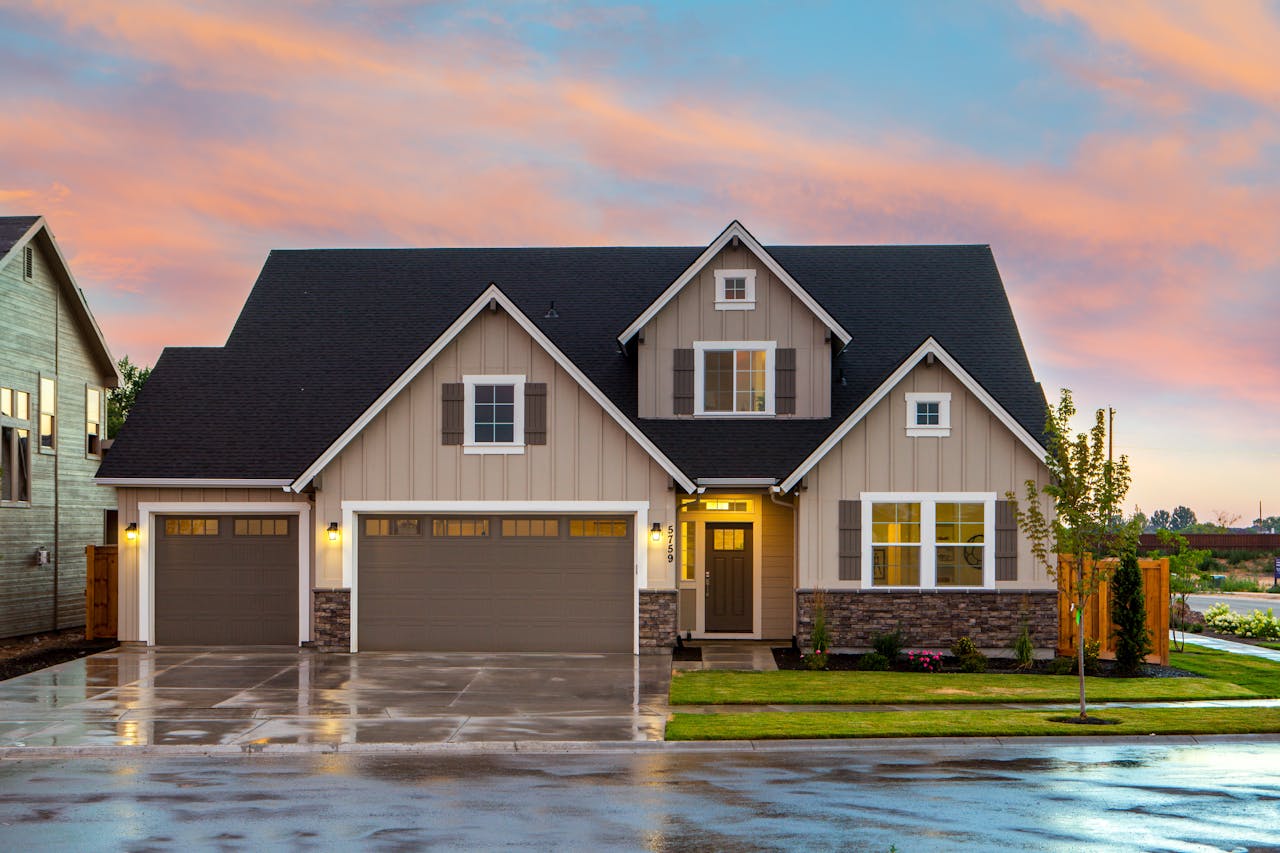

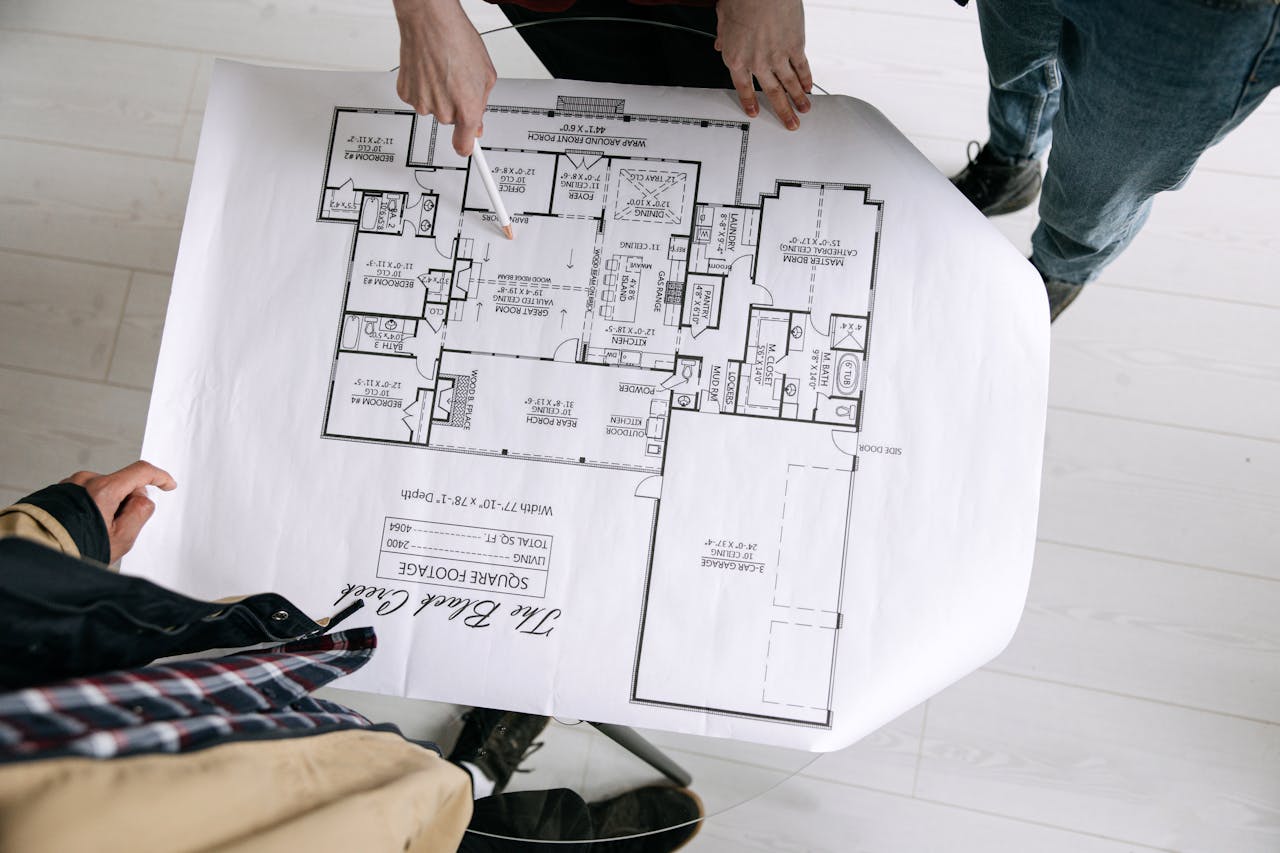
Many Ottawa homeowners begin their renovation journey by searching for a floor plan lookup by address. It’s a logical first step. Knowing how your home was originally designed can provide insight into room layouts, structural walls, and potential renovation opportunities. For homeowners planning renovations in Ottawa and surrounding areas like Kanata, Orleans, Nepean, Barrhaven, Stittsville, Carleton Place, Richmond ON, Arnprior, Dunrobin, and Kemptville, understanding what information is available — and what isn’t — is critical before moving forward.
While floor plan lookup tools and records can offer useful background information, they also have significant limitations. Relying on them alone can lead to incorrect assumptions, design challenges, and costly delays during the renovation process. This guide explains what homeowners can realistically learn from a floor plan lookup by address, what information is often missing, and how residential home design plans bridge the gap between historical layouts and modern renovation goals.
Why Homeowners Search for Floor Plans by Address
Homeowners typically search for floor plans by address for several reasons:
- To understand the original layout of their home
- To identify load-bearing walls
- To plan renovations or additions
- To assess feasibility of open-concept designs
- To locate plumbing, electrical, or mechanical elements
- To compare original designs with current conditions
In older Ottawa neighbourhoods such as Nepean or central Orleans, many homes were built decades ago, making original drawings difficult to locate. In newer subdivisions in Kanata or Barrhaven, homeowners may assume records are readily available — but this is not always the case.
What a Floor Plan Lookup by Address Can Tell You
A successful floor plan lookup may provide valuable baseline information, depending on the age of the home and availability of records.
1. Original Room Layout
Floor plans can show how the house was initially designed, including room sizes, wall placement, and circulation paths. This helps homeowners understand how space was originally intended to function.
2. Approximate Square Footage
Some plans include overall square footage, which can be useful when comparing layout efficiency or planning expansions.
3. Staircase and Structural Alignment
Floor plans often reveal where staircases were originally placed, which helps when planning vertical renovations or basement redesigns.
4. Window and Door Locations
Original plans may indicate exterior openings, offering insight into natural light patterns and potential renovation constraints.
5. Basement Layout (If Available)
In some cases, basement floor plans may be included, showing utility placement or original unfinished layouts.
These details can be helpful as a starting point — but they are only part of the story.
What Floor Plan Lookups Often Do NOT Show
This is where many homeowners encounter challenges. Floor plan lookup by address is limited in several critical ways.
1. Changes Made After Construction
Most homes in Ottawa have undergone changes since original construction, including:
- Interior wall removals
- Room conversions
- Basement finishing
- Kitchen or bathroom renovations
- Additions or extensions
Original floor plans rarely reflect these changes. Relying on outdated layouts can lead to incorrect assumptions.
2. Structural Modifications
Floor plans typically do not document structural changes such as:
- Reinforced beams
- Modified load-bearing walls
- Added columns
- Foundation alterations
These details are essential for safe renovation planning and cannot be assumed from old drawings.
3. Mechanical, Electrical, and Plumbing Updates
Original floor plans may show initial plumbing or electrical layouts, but they rarely reflect modern upgrades. Over time, systems are rerouted, expanded, or replaced.
Without updated residential home design plans, homeowners risk planning renovations that conflict with existing systems.
4. Code Compliance
Building codes evolve. A floor plan from decades ago does not reflect current Ontario Building Code requirements.
Renovations must comply with today’s standards for:
- Fire separation
- Structural safety
- Energy efficiency
- Egress requirements
- Accessibility (where applicable)
Original floor plans do not address these changes.
5. Zoning and Lot Coverage Limitations
Floor plan lookup by address does not indicate whether planned changes comply with current zoning bylaws.
Ottawa zoning regulations differ between neighbourhoods and communities such as Kanata, Barrhaven, Stittsville, and rural areas like Dunrobin or Richmond ON. Renovations must align with present-day rules, not original approvals.
Where Floor Plan Records Might Exist in Ottawa
Homeowners often ask where floor plans might be found. Possible sources include:
- Personal purchase records from when the home was bought
- Builder documentation for newer subdivisions
- City permit archives (limited availability)
- Previous renovation drawings retained by former owners
However, even when plans are found, they should be treated as reference material — not construction-ready documents.
Why Floor Plan Lookup Is Only the First Step
A floor plan lookup can help homeowners understand the starting point, but it cannot replace professional residential home design plans.
Renovations require:
- Accurate measurement of existing conditions
- Verification of structural elements
- Updated layouts that reflect current usage
- Integration of modern residential home design ideas
- Compliance with current building codes
Floor plans found through lookup tools rarely meet these requirements.
Understanding Existing Conditions Through Measured Drawings
Before renovation planning begins, professionals often create as-built drawings. These are accurate representations of the home as it exists today.
As-built drawings account for:
- Actual wall placement
- Ceiling heights
- Structural supports
- Updated mechanical systems
- Past renovations
- Irregularities not shown in original plans
Measured drawings provide a reliable foundation for new residential home design plans.
How Floor Plans Influence Renovation Scope
When homeowners understand their existing layout, they can make informed decisions about renovation scope.
Floor plan insight helps with:
- Determining which walls can be removed
- Identifying opportunities for open-concept layouts
- Planning kitchen or bathroom relocations
- Evaluating basement conversion options
- Assessing feasibility of additions
However, these decisions must be validated through professional review.
Common Renovation Mistakes When Relying on Old Floor Plans
Mistake 1: Assuming Walls Are Non-Load-Bearing
Floor plans often lack structural detail. Removing walls without verification can compromise safety.
Mistake 2: Misjudging Room Dimensions
Older plans may not match actual dimensions due to construction tolerances or renovations.
Mistake 3: Ignoring Mechanical Constraints
Relocating kitchens or bathrooms without understanding plumbing paths leads to costly changes.
Mistake 4: Overlooking Ceiling and Floor Height Issues
Floor plans do not show elevation differences or bulkheads added over time.
Mistake 5: Planning Without Code Awareness
Original layouts may violate current code standards when altered.
How Residential Home Design Plans Improve Renovation Outcomes
Professional residential home design plans address every limitation of floor plan lookup by address.
They include:
- Accurate, updated layouts
- Structural analysis
- Modern residential home design ideas
- Efficient space planning
- Permit-ready residential home design PDFs
- Integration of new systems
- Clear documentation for builders
These plans bridge the gap between inspiration and construction.
Modern Residential Design Considerations for Ottawa Renovations
Ottawa homeowners often renovate to achieve:
- Open-concept living
- Improved natural light
- Better storage solutions
- Multi-purpose rooms
- Energy efficiency upgrades
- Modernized kitchens and bathrooms
Floor plan lookup can show what existed — but modern residential home design plans show what’s possible.
Renovating Different Home Types Across Ottawa
Older Homes in Nepean or Orleans
Often require structural verification and modernization of layouts.
Suburban Homes in Kanata and Barrhaven
May involve reconfiguring builder-grade layouts to suit growing families.
Townhomes in Stittsville
Benefit from vertical space optimization and basement redesign.
Rural Homes in Dunrobin or Richmond ON
Often involve additions, septic considerations, and layout expansion.
Each scenario requires tailored residential home design plans.
Floor Plans and Permit Requirements
Renovations that involve structural changes, additions, or system modifications often require permits.
Permit-ready drawings must show:
- Updated floor plans
- Structural modifications
- Fire separation where required
- Egress compliance
- Mechanical updates
- Site changes if applicable
Original floor plans alone are not acceptable for permit submissions.
When Floor Plan Lookup Is Helpful
Floor plan lookup by address is useful for:
- General understanding of original layout
- Early inspiration
- Historical reference
- Preliminary renovation discussions
It should not be used as the sole basis for renovation planning.
When Professional Design Becomes Essential
Professional residential design is essential when:
- Walls are being removed or added
- Layout is significantly changing
- Kitchens or bathrooms are relocating
- Basements are being finished
- Additions or accessory dwellings are planned
- Permits are required
At this stage, original floor plans must be replaced with accurate, updated designs.
Why Ottawa Homeowners Benefit From Local Design Expertise
Ottawa’s mix of housing styles, zoning regulations, and neighbourhood conditions requires local knowledge.
Local designers understand:
- Ottawa building department expectations
- Zoning variations between communities
- Common construction methods used locally
- Climate-specific design considerations
- Permit review processes
This expertise streamlines renovations and reduces delays.
Planning Renovations With Confidence
A successful renovation begins with understanding — but it finishes with clarity. Floor plan lookup by address provides context, but professional residential home design plans provide certainty.
Homeowners who invest in proper design avoid:
- Unexpected structural issues
- Costly mid-project changes
- Permit delays
- Compromised functionality
- Long-term dissatisfaction
Conclusion
Searching for a floor plan lookup by address is a common and reasonable starting point for Ottawa homeowners planning a renovation. It can reveal how a home was originally designed and spark ideas for future improvements. However, these plans offer only limited insight into the home’s current condition, structural integrity, and compliance with modern building standards.
Successful renovations rely on accurate, updated residential home design plans that reflect today’s needs, codes, and lifestyles. By understanding what floor plan lookup can — and cannot — provide, homeowners across Ottawa, Kanata, Orleans, Nepean, Barrhaven, Stittsville, Carleton Place, Richmond ON, Arnprior, Dunrobin, and Kemptville can plan renovations with confidence, clarity, and long-term success.