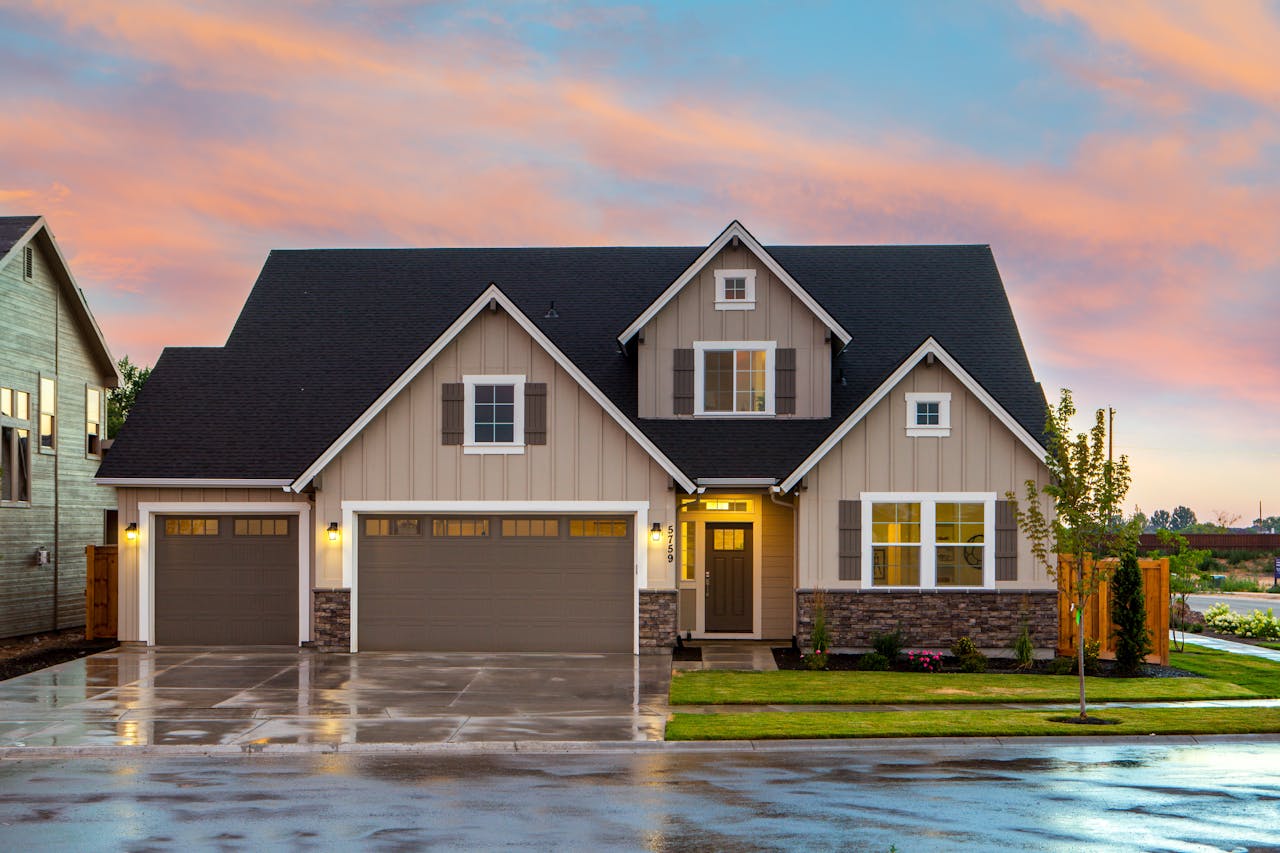


Kanata and Barrhaven are two of Ottawa’s most family-focused and fast-growing communities. As new subdivisions continue to expand, lot sizes are becoming increasingly narrow, presenting both challenges and opportunities for homeowners planning to build. Designing a modern family home on a narrow lot requires careful planning, smart residential home design ideas, and a deep understanding of how layout, light, and flow impact everyday living.
A narrow lot does not mean a compromised lifestyle. With the right residential home design plans, families can enjoy homes that feel open, functional, and comfortable while meeting zoning requirements and maximizing every square foot. This guide explores how to design a modern family home that works beautifully on narrow lots in Kanata and Barrhaven, without sacrificing comfort, style, or long-term livability.
Why Narrow Lots Are Common in Kanata and Barrhaven
Kanata and Barrhaven have experienced rapid residential growth, driven by demand for family-oriented neighbourhoods, proximity to amenities, and strong community planning. To accommodate growth, many developments feature narrower lots that allow more homes while preserving green space and walkability.
These lots often present challenges such as:
- Limited building width
- Reduced side yard setbacks
- Close proximity to neighbouring homes
- Zoning restrictions on height and lot coverage
- Limited natural light from side elevations
Designing effectively within these constraints requires thoughtful residential home design plans that prioritize vertical space, open layouts, and efficient circulation.
Understanding the Core Design Goals for Narrow-Lot Homes
Before drawing walls or selecting finishes, it’s important to define the goals of a narrow-lot family home. In Kanata and Barrhaven, most families want:
- Open, connected living spaces
- Comfortable bedrooms for growing families
- Dedicated work-from-home areas
- Plenty of storage
- Natural light throughout the home
- Outdoor access despite limited width
- Flexibility for future needs
Modern residential home design focuses on achieving these goals through smart planning rather than increased square footage.
1. Start With a Strong Floor Plan Strategy
On a narrow lot, the floor plan is everything. A well-designed layout can make a narrow home feel wide, while a poor layout can make even a larger home feel cramped.
Key Floor Plan Principles
- Minimize hallways and wasted circulation space
- Stack similar functions vertically
- Align rooms to allow clear sightlines from front to back
- Keep the main living area uninterrupted
- Position stairs to support flow rather than block it
Design your own house floor plans often fail on narrow lots because they don’t account for these critical relationships. Professional residential home design plans ensure that every square foot contributes to livability.
2. Embrace Vertical Living
When width is limited, height becomes an asset. Narrow-lot homes in Kanata and Barrhaven often benefit from two- or three-storey designs.
Vertical strategies include:
- Taller ceilings on the main floor
- Open stairwells that allow light to travel upward
- Second-floor family rooms or lofts
- Third-floor bedrooms or flex spaces where zoning allows
Vertical design helps distribute space without overwhelming the lot or violating zoning regulations.
3. Open-Concept Main Floors Are Essential
Open-concept layouts are especially effective on narrow lots. By combining the kitchen, dining, and living areas into one continuous space, the home feels wider and more connected.
Benefits include:
- Better light distribution
- Easier family interaction
- More flexible furniture placement
- Improved sightlines that visually expand space
In Barrhaven and Kanata homes, open-concept main floors also support entertaining and busy family routines.
4. Position the Kitchen as the Central Anchor
In modern family homes, the kitchen often sits at the heart of the layout. On narrow lots, its placement is even more critical.
Effective kitchen strategies include:
- Linear or galley layouts with islands
- Clear walkways on both sides of the island
- Integrated appliances to reduce bulk
- Vertical cabinetry to maximize storage
- Open shelving to reduce visual weight
Residential home design plans with photos often highlight kitchens as focal points, showing how thoughtful design can make narrow spaces feel generous and functional.
5. Maximize Natural Light From Front and Rear Elevations
Side windows on narrow lots are often limited due to setbacks and privacy concerns. As a result, front-to-back lighting becomes crucial.
Design strategies include:
- Large front windows without compromising privacy
- Rear patio doors or sliding glass systems
- Transom windows above doors
- Clerestory windows near stairwells
- Light wells or skylights where permitted
In Kanata and Barrhaven, maximizing light from the front and rear dramatically improves the feel of narrow homes.
6. Use Sightlines to Create Visual Width
Visual continuity makes spaces feel larger. On narrow lots, designers often align major openings to allow views from the front entry straight through to the backyard.
This may involve:
- Aligning doors and openings
- Using glass railings on staircases
- Avoiding tall partitions in main living areas
- Choosing consistent flooring throughout the main level
Clear sightlines reduce the sense of confinement and enhance openness.
7. Design Bedrooms for Comfort, Not Excess
In narrow-lot homes, bedroom design should focus on comfort and efficiency rather than size alone.
Effective bedroom strategies include:
- Right-sized rooms with thoughtful layouts
- Built-in closets instead of oversized walk-ins
- Window placement that balances light and privacy
- Shared bathroom layouts that reduce plumbing complexity
Primary bedrooms may be placed at the rear for privacy, while children’s rooms often occupy the front or middle of the home.
8. Smart Bathroom Layouts Save Space
Bathrooms on narrow lots should be compact but comfortable. Good residential home design ideas avoid wasted space while maintaining usability.
Design approaches include:
- Wall-mounted vanities
- Sliding or pocket doors
- Combined tub-shower units in secondary bathrooms
- Stacked plumbing for efficiency
Thoughtful bathroom layouts free up square footage for living areas.
9. Storage Is Non-Negotiable in Narrow Homes
Without proper storage, narrow homes quickly feel cluttered. Residential home design plans must integrate storage at every level.
Storage solutions include:
- Mudrooms with built-in cabinetry
- Under-stair storage
- Floor-to-ceiling kitchen cabinets
- Bedroom closets with custom shelving
- Basement storage zones
Kanata and Barrhaven families especially benefit from well-planned entry storage to manage coats, shoes, and sports gear.
10. Finished Basements Add Valuable Living Space
Basements are often essential for narrow-lot homes. A well-designed basement can significantly expand usable space without affecting lot coverage.
Popular basement uses include:
- Recreation rooms
- Home offices
- Guest bedrooms
- Teen hangout spaces
- Home gyms
- Secondary suites where permitted
Small residential home design principles apply here as well—open layouts, light finishes, and efficient storage make basements feel inviting.
11. Outdoor Living Still Matters on Narrow Lots
Even with limited yard width, outdoor space can be highly functional.
Design strategies include:
- Narrow but deep decks
- Covered rear patios
- Outdoor seating aligned with interior spaces
- Vertical landscaping for privacy
- Visual continuity between indoor and outdoor flooring
In Barrhaven and Kanata, outdoor living areas are often designed as extensions of the main living space rather than separate zones.
12. Choose a Clean, Modern Aesthetic
Modern residential home design is especially effective for narrow lots. Clean lines, simple forms, and restrained material palettes prevent visual clutter.
Design elements include:
- Neutral colour schemes
- Minimal trim details
- Large, simple windows
- Streamlined cabinetry
- Consistent materials across floors
A modern aesthetic supports openness and timeless appeal.
13. Zoning and Building Code Must Guide Design Decisions
Narrow-lot homes are subject to strict zoning rules regarding:
- Setbacks
- Maximum height
- Lot coverage
- Parking requirements
- Accessory dwelling allowances
Residential home design plans must address these rules early to avoid redesigns or permit delays.
Professional BCIN-qualified designers ensure that designs comply with the Ontario Building Code and municipal requirements from the start.
14. Why Professional Residential Home Design Is Essential for Narrow Lots
Designing on a narrow lot leaves little room for error. Small mistakes can lead to poor flow, insufficient light, or compliance issues.
Professional residential home design plans provide:
- Efficient layouts tailored to lot width
- Accurate room proportions
- Code-compliant designs
- Permit-ready residential home design PDFs
- Integration of modern family needs
- Long-term flexibility
Homeowners searching for residential home design ideas or floor plans online often discover that narrow-lot success depends on expert planning.
15. Planning for Future Flexibility
A modern family home should adapt as needs change. Narrow-lot homes can still support:
- Work-from-home spaces
- Multi-generational living
- Accessibility improvements
- Future basement conversions
- Secondary suites where permitted
Planning for flexibility ensures the home remains functional for years to come.
Why Kanata and Barrhaven Families Benefit From Smart Narrow-Lot Design
Kanata and Barrhaven offer incredible lifestyle value, but lot sizes continue to evolve. Smart residential home design allows families to enjoy modern, comfortable homes that feel spacious despite limited width.
By focusing on layout, light, storage, and vertical design, narrow-lot homes can deliver exceptional quality of life without compromise.
Conclusion
Designing a modern family home on a narrow lot in Kanata or Barrhaven requires creativity, precision, and careful planning. With the right residential home design plans, narrow homes can feel open, functional, and perfectly suited to modern family living.
Through open-concept layouts, vertical design strategies, thoughtful storage, and abundant natural light, families can enjoy homes that exceed expectations—proving that width does not define quality.
When design decisions are guided by experience and attention to detail, narrow-lot homes become efficient, stylish, and welcoming spaces that stand the test of time.